
Carly Feltz, PT, DPT
Carly Feltz, PT, DPT
Carly Feltz – Endometriosis Physical Therapist
Summary: Carly Feltz is a skilled endometriosis physical therapist at Marshfield Clinic, dedicated to providing individualized and compassionate care. She takes the time to understand each patient’s unique symptoms, history, and experiences to create a personalized treatment plan that truly fits their needs.
Her approach includes myofascial release, visceral manipulation, neuromuscular re-education, and muscular relaxation, along with behavioral and stress relaxation techniques. Carly Feltz is passionate about supporting patients with endometriosis and helping them build a strong team of providers to reach their health goals.
With a warm and professional approach, Carly Feltz focuses on empowering patients to manage pain, improve function, and enhance overall well-being. Her dedication ensures that every patient receives attentive, high-quality care tailored to their journey toward relief and recovery.
Visit types: Office/Hospital
Spoken languages: English
Interpreting services for other languages: Yes
Philosophy of care and typical treatment strategies: I take time to get to know my patients to bring compassion to their care. I will individualize care for each patient based on their symptoms, history, and experiences. Treatment strategies that I may use include myofascial release, visceral manipulation, neuromuscular re-education, muscular relaxation, behavioral modification, and stress relaxation training. I am passionate about helping those with endometriosis find high-quality care, and I will help build your team of providers to reach your goals.
Dr. Rachael Haverland
Rachael Haverland, M.D.
Dr Rachael Haverland – Endometriosis Specialist, Gynecologist, Minimally Invasive Gynecologic Surgeon
Summary: Dr Rachael Haverland is a gynecologist and endometriosis specialist in Dallas, TX, known for her thoughtful, holistic approach to care. As a minimally invasive gynecologic surgeon, Dr Haverland focuses on complete excision surgery—the gold standard for endometriosis treatment—and supports recovery through a multidisciplinary care plan. Many Dr Rachael Haverland reviews highlight her dedication to addressing the full picture of pelvic pain, including related conditions like IBS and interstitial cystitis.
With a strong belief that every patient’s journey is unique, Dr. Haverland avoids one-size-fits-all treatments and limits the use of medications with harsh side effects. Instead, she often combines non-opioid pain management, pelvic floor physical therapy, and collaborative care with other specialists. Patients value how Dr. Rachael Haverland takes the time to uncover the root causes of pain and stay involved throughout the healing process—an approach that consistently earns praise in Dr. Rachael Haverland reviews.
City: Dallas, TX, USA
Philosophy: The etiology of endometriosis is complex. I do not agree with retrograde menstruation as I have seen premenstrual as well as postmenopausal patients with endometriosis. This also leads to the idea if you stop menstruation, you stop the pain which is not always the case. While more research on endometriosis needs to be done, I do believe the endometriotic implants are likely genetically present consistent with the Mullerianosis theory. They may additionally spread by lymphatic or blood systems ( how we get cardiac and pulmonary endometriosis). Endometriosis for gold standard treatment must be excised completely. Once appropriate excision surgery has been completed, a dynamic team approach with pelvic floor PT, injections by physiatrists and frequent postoperative visits to ensure no other additional diagnosis was missed is important. Frequently IBS, IC, or other chronic conditions are found in patients with endometriosis.
Medication: Endometriosis treatment is multifaceted and must start with a holistic approach to not only management of the endometriosis but also the other disease processes. I reserve/restrict the use medications such as Lupron, Orlissa, or other GnRH agonists or antagonists due to significant physical and mental side effects. Medications can be used to help symptoms if a patient does not desire excision surgery and options such as progesterone IUD or birth control pills are offered if desiring contraception. I also discuss after surgery, the first 2-3 cycles may be irregular and or more painful due to acute inflammation. Frequently, I use other non-opioid mediations such as NSAIDs, duloxetine, gabapentin, other SNRIs and compounded medications in adjunct depending on the patient’s pain generators.
Approach to Persistent Pain After Surgery: Multidisciplinary approach is the key to success! After patients have been in prolonged pain, the central sensitization of pain cycle can be important to address. Using compounded vaginal suppositories, pelvic floor PT, pelvic floor Botox and also targeted nerve injection series with physiatrist can be beneficial to address pain after surgery. If persistent pain continues, my approach is individualized. First, I closely evaluate each organ system to ensure we are addressing each area in a holistic approach at the initial visit to identify potential coexisting pain generators. At the initial consultation visit I also identify other compounding potential etiologies of pain. Sometimes a second look is necessary or discussion of other forms of hormonal suppression. I always follow my patients until their symptoms are improved.
Randi Curtis, PT, DPT
Randi Curtis, PT, DPT
Randi Curtis – Endometriosis Physical Therapist
Summary: Randi Curtis is a dedicated endometriosis physical therapist at Breathe Physical Therapy & Wellness in Iowa, focused on helping patients achieve lasting relief through a holistic and collaborative approach. Randi Curtis partners closely with each patient’s medical team, including gynecologists and endometriosis specialists, to deliver personalized care tailored to individual needs.
Her treatment methods include intravaginal and intrarectal manual therapy for targeted pelvic floor muscle access, combined with external soft-tissue massage techniques. She also integrates breathing exercises and yoga-inspired movements to help soothe the nervous system and reduce chronic pain. With a warm and attentive approach, Randi Curtis supports those living with endometriosis in managing symptoms, improving function, and enhancing their quality of life. Her expertise and genuine care empower patients to regain control and comfort in everyday living.
Visit types: Office/Hospital
Spoken languages: English
Interpreting services for other languages: Yes
Philosophy of care and typical treatment strategies: I enjoy working with patients who have been diagnosed with Endo while having a strong working relationship with their medical team (gynecologist, endo-specialist, etc.). I provide intravaginal and intrarectal manual therapy to best access the pelvic floor muscles in addition to external manual therapy techniques, including soft-tissue massage, as a holistic approach to best serve the patient. I enjoy incorporating breathing techniques and yoga-like movements into my patients’ plans of care, as I have seen the amount of benefit it has on down-regulating the nervous system response to pain and central sensitization, as most of my patients have been dealing with their pain for years.
Alexandra Burtman, PT, DPT
Alexandra Burtman, PT, DPT
Alexandra Burtman – Endometriosis Physical Therapist
Summary: Alexandra Burtman is a dedicated endometriosis physical therapist practicing at Solstice Physiotherapy in New York and Scarsdale. With a patient-centered approach, Alexandra Burtman focuses on restoring function and reducing pain to help patients regain their quality of life.
By combining expertise in orthopedics, bladder, bowel, and sexual function, Alexandra Burtman treats the whole person, recognizing the complexity of pelvic health. She uses evidence-based techniques such as myofascial release and targeted muscle strengthening, alongside yoga, Pilates, and sports-specific interventions. Alexandra Burtman also values collaboration, working closely with other specialists to develop personalized treatment plans tailored to each patient’s needs. Committed to empowerment and advocacy, she supports patients living with endometriosis in achieving lasting relief and improved daily function.
Visit types: Office/Hospital, Virtual
Spoken languages: English
Interpreting services for other languages: Yes
Philosophy of care and typical treatment strategies: At Solstice Physiotherapy, we specialize in pelvic health. Our goals are to restore function and eliminate pain so that patients can improve their daily functionality. We treat a complex part of the body by integrating our knowledge of orthopedics, bladder, bowel, and sexual function to fully understand the entire person. Using an interdisciplinary approach, we focus on communicating with other specialists and providers to create an appropriate treatment plan and provide the best care to our patients. We practice myofascial release, strengthening associated muscle weakness, and providing evidence-based intervention. We also perform yoga, pilates, and sports-specific intervention. We are committed to helping patients decrease symptoms and live the life they want, pain-free. We believe in empowering our patients and advocating for them.
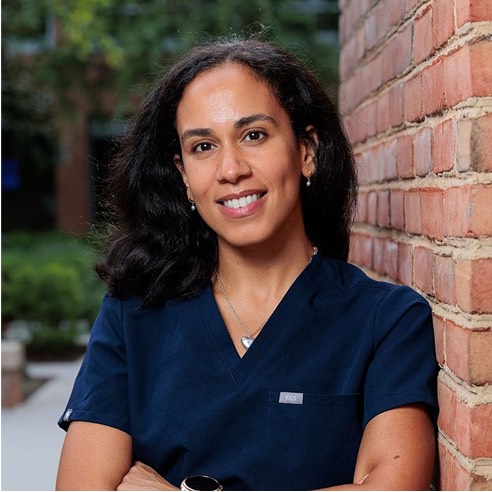
Dr. Maria Victoria Vargas
Dr. Maria Vargas, M.D.
Victoria Vargas – Gynecologist, Minimally Invasive Gynecologic Surgeon
Summary: Victoria Vargas MD, also known as Dr. Vargas OBGYN, is a skilled gynecologist and minimally invasive gynecologic surgeon based in Washington, D.C. Specializing in endometriosis, Dr. Maria Vargas combines a deep understanding of the disease’s complex nature with a patient-centered approach to care. She emphasizes the multifactorial origins of endometriosis, incorporating the latest research, including the Mulleriosis theory, to offer individualized treatment options.
Dr. Vargas provides comprehensive care, including hormonal therapies like combined oral contraception and the levonorgestrel-releasing IUD, tailored to each patient’s needs. She also focuses on managing persistent pain post-surgery, offering non-narcotic solutions such as nerve blocks, acupuncture, and pelvic floor physical therapy. Whether through lifestyle recommendations or advanced surgical techniques, Dr. Vargas helps her patients improve their quality of life with personalized, holistic care.
City: Washington DC, USA
Philosophy: Endometriosis is a complex disease and its etiology appears to be multifactorial. Currently, Mulleriosis seems to be the most accepted theory of origin. Unfortunately, we still lack understanding about the full spectrum of the disease, which includes a self-sustaining, highly inflammatory environment with the capacity to promote its own nerve and blood supply. There seems to be a hereditary component, and increasingly, we are defining somatic mutations common to endometriosis lesions. Given the many unknowns regarding endometriosis, I focus my practice on ensuring patients understand the complexity of the disease and try to develop an individualized approach based on each patient’s preferences and circumstances.
Medication: Depending on my patient’s preferences and needs, I offer hormonal suppressive therapy, including combined oral contraception, oral progestin medication, and the levonorgestrel-releasing IUD. I typically recommend extended-cycle dosing or continuous dosing of oral medications to achieve amenorrhea. In some cases, when patients don’t have sufficient improvement with hormonal suppression or when they don’t tolerate or are opposed to hormonal suppression, I may also recommend NSAIDs, gabapentin, or SNRIs.
Approach to Persistent Pain After Surgery: I bring up the possibility of residual pain before the surgery takes place so patients understand that there may be ongoing treatment beyond the recovery from surgery. I follow patients closely after surgery to ensure that they are able to achieve a maximal improvement in quality of life. If residual pain is present, I consider the possibility of co-morbidities, such as pelvic floor dysfunction and painful bladder syndrome. When appropriate I refer to my colleagues in pelvic floor physical therapy, pain management, and urology. I do promote a focus on non-narcotic options for residual pain, such as nerve blocks, trigger point injections, acupuncture, and TENS therapy. I also encourage mindfulness and meditative practices. I utilize hormonal suppressive therapy when appropriate as well. Rarely, I discuss second-look surgery as an option. I find that the vast majority of my patients achieve a positive outcome with this approach.

Erica Michitsch, PT, DPT
Erica Michitsch, PT, DPT
Erica Michitsch – Endometriosis Physical Therapist
Summary: Erica Michitsch is a skilled endometriosis physical therapist based at Solstice Physiotherapy in New York. With a strong focus on pelvic health and orthopedics, Erica Michitsch combines expertise and empathy to help patients restore function and reduce pain, improving their everyday lives.
Erica integrates her knowledge of orthopedics, bladder, bowel, and sexual function alongside myofascial mobility to treat the whole person. As an avid yogi, Pilates instructor, and former collegiate athlete, she incorporates movement techniques that support healing and strength. Erica Michitsch uses an interdisciplinary approach, collaborating closely with other specialists to create personalized treatment plans tailored to each patient’s unique needs. Passionate about empowerment and advocacy, she is dedicated to helping those with endometriosis live pain-free and regain confidence in their daily activities.
Visit types: Office/Hospital
Spoken languages: English
Interpreting services for other languages: Yes
Philosophy of care and typical treatment strategies: I, at Solstice Physiotherapy, specialize in pelvic health and orthopedics. My goal is to restore function and eliminate pain so that my patients can improve their daily functionality. We treat a complex part of the body, and I do this by integrating my knowledge of orthopedics, bladder, bowel, and sexual function, and myofascial mobility to fully understand the entire person. The experience I have gained over the years treating pelvic helped has allowed me to use empathy and detail when treating my patients. I am an avid yogi and a pilates instructor as well as a collegiate athlete, and use these skills when performing movement with patients. I use an interdisciplinary approach to focus on communicating with other specialists and providers in order to create an appropriate treatment plan and provide the best care to our patients. I am committed to helping patients decrease symptoms and live the life they want, pain-free. We believe in empowering our patients and advocating for them.

Lisa Whisenant, MOT, OTR, C-MLD
Lisa Whisenant, MOT, OTR, C-MLD
Lisa Whisenant – Endometriosis Occupational Therapist
Summary:
Lisa Whisenant is a compassionate endometriosis occupational therapist of The Monarch Pelvic Health Therapy in Prosper, TX, dedicated to helping women move, breathe, and live with less pain and dysfunction. Lisa Whisenant combines thorough listening with evidence-based care, tailoring every session to each person’s daily goals and lifestyle.
Warm, professional, and collaborative, Lisa Whisenant helps people with endometriosis regain control, confidence, and comfort in everyday life.
Visit types: Homel/Virtual
Spoken languages: English
Interpreting services for other languages: No
Philosophy of care and typical treatment strategies:
I believe that every woman deserves to feel whole, heard, and empowered in her body. My care is rooted in compassion, clinical excellence, and a deep respect for each person’s unique story.
I take a holistic and trauma-informed approach to pelvic health, blending evidence-based therapy with attentive, one-on-one care.
Healing is not just physical—it’s emotional, personal, and transformative. My mission is to walk alongside you with dignity and partnership as you reclaim your health and confidence.
Typical treatment strategies include: manual lymphatic drainage, cupping, dry needling, visceral manipulation, myofascial release, adaptive strategies and equipment needs, patient education, & a functional home exercise program.

Kara Mortifoglio, PT, DPT
Kara Mortifoglio, PT, DPT
Kara Mortifoglio – Endometriosis Physical Therapist
Summary: Kara Mortifoglio is an experienced endometriosis physical therapist in New York who takes a holistic and collaborative approach to pelvic health. At Solstice Physiotherapy, Kara Mortifoglio integrates advanced techniques and personalized care to help patients manage pain and improve daily function.
Her treatment plans often include visceral mobilization, myofascial release, internal manual therapy, bladder and bowel retraining, biofeedback, and dilator training. She also uses therapeutic exercise, Pilates, and postural re-education to support long-term recovery. Kara Mortifoglio believes in treating the whole person, which is why she regularly collaborates with pelvic pain specialists, acupuncturists, and mental health professionals to ensure comprehensive care. Patients appreciate her compassionate, multidisciplinary approach, which empowers them to feel supported, informed, and confident in their healing process.
Visit types: Office/Hospital
Spoken languages: English
Interpreting services for other languages: No
Philosophy of care and typical treatment strategies: I like to use a hollistic approach, including: bladder/bowel techniques and retraining, visceral mobilization, myofascial release, biofeedback, dilator training, internal manual manipulation, anorectal manometry balloons, therapeutic exercise, pilates, postural re-education. Along with this, I often work in conjunction with pelvic pain specialists, acupuncturists, talk therapists, and many other practitioners.
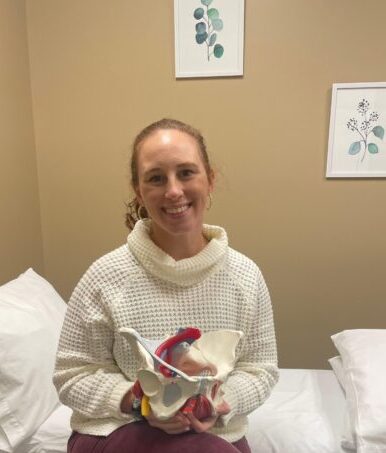
Kelly Resha, PT, DPT
Kelly Resha, PT, DPT
Kelly Resha – Endometriosis Physical Therapist
Summary: Kelly Resha is a compassionate endometriosis physical therapist in Martinez, Georgia, dedicated to helping women feel truly heard and supported in their pelvic health journey. At Georgialina Physical Therapy, Kelly Resha uses a hands-on, whole-body approach to address the many factors contributing to pelvic pain and dysfunction.
With advanced training in visceral mobilization, internal pelvic floor therapy, myofascial decompression (cupping), and targeted treatment of the hips, lumbar spine, and abdominal wall, she tailors care to meet each patient’s unique needs. Kelly Resha believes healing starts with listening, and she creates a safe, empowering space for her patients to feel seen, understood, and guided toward lasting relief. Through her expert care, women living with endometriosis can gain greater comfort, mobility, and confidence in their daily lives.
Visit types: Office/Hospital
Spoken languages: English, some Spanish (not fluent)
Interpreting services for other languages: No
Philosophy of care and typical treatment strategies: I believe that every woman needs to be heard when it comes to their pelvic pain. I am trained in a hands-on approach of visceral mobilization, internal pelvic floor therapy, myofascial decompression (cupping), and treatment of the “other pieces of the puzzle,” including the hip/lumbar spine and abdominal wall.

Claire Hamnett, PT, DPT
Claire Hamnett, PT, DPT
Claire Hamnett – Endometriosis Physical Therapist
Summary: Claire Hamnett is a dedicated endometriosis physical therapist in New York who takes a whole-person approach to pelvic health. At Spruce Physical Therapy, Claire Hamnett blends expertise in orthopedics with a deep understanding of bladder, bowel, and sexual function to support patients in restoring mobility, reducing pain, and reclaiming their quality of life.
Through evidence-based care, Claire offers hands-on techniques like myofascial release, along with targeted exercises to strengthen muscle imbalances. She incorporates yoga, Pilates, and sports-specific interventions to meet each patient’s unique needs. With a strong focus on collaboration, Claire Hamnett works closely with other specialists to ensure patients receive the most comprehensive and effective care possible. Passionate about advocacy and empowerment, she is committed to helping those with endometriosis feel heard, supported, and truly cared for throughout their healing journey.
Visit types: Office/Hospital/Virtual
Spoken languages: English
Interpreting services for other languages: No
Philosophy of care and typical treatment strategies: At Solstice Physiotherapy, we specialize in pelvic health. Our goals are to restore function and eliminate pain so that patients can improve their daily functionality. We treat a complex part of the body by integrating our knowledge of orthopedics, bladder, bowel, and sexual function to fully understand the entire person. Using an interdisciplinary approach, we focus on communicating with other specialists and providers to create an appropriate treatment plan and provide the best care to our patients. We practice myofascial release, strengthening associated muscle weakness, and providing evidence-based intervention. We also perform yoga, pilates, and sports-specific intervention. We are committed to helping patients decrease symptoms and live the life they want, pain-free. We believe in empowering our patients and advocating for them.

Dr. Jon Einarsson
Jon Einarsson, M.D.,
Dr Jon Einarsson MD – Endometriosis Specialist, Minimally Invasive Gynecologic Surgeon
Summary: Dr Jon Einarsson, MD, a leading endometriosis specialist in Boston, is dedicated to providing comprehensive care for women with pelvic health concerns. With expertise in minimally invasive gynecologic surgery, Dr. Einarsson focuses on the complete excision of endometriosis, recognizing that its origins are multifactorial, including genetic and environmental factors. While surgery is the primary treatment, he emphasizes the importance of a personalized, multidisciplinary approach to address persistent pain and recurrence. After surgery, Dr. Einarsson often recommends hormonal options like continuous birth control or a hormonal IUD to help reduce the risk of recurrence. He works closely with a team of specialists, including pain experts and pelvic floor physical therapists, to offer holistic care that promotes long-term relief and well-being for his patients. With Dr. Einarsson, you receive thoughtful, compassionate care tailored to your unique needs.
City: Boston, MA, USA
Philosophy: The origin of endometriosis is probably multifactorial and includes coelomic metaplasia, retrograde menstruation and genetic predisposition. Complete excision is the mainstay of the surgical approach, but since endometriosis can be found in lymph nodes and elsewhere, recurrences can occur even in the best of hands since microscopic implants may continue to evolve after surgery. This is correlated with age, with a higher risk of recurrence in younger patients.
Medication: In patients who are not contemplating pregnancy after surgery, I generally recommend either continuous birth control pills, hormonal IUD, or oral progestins. This has been shown to reduce the risk of recurrence and repeat surgery. These agents are also better tolerated and equally effective to medications such as Lupron, which we generally do not use.
Approach to Persistent Pain After Surgery: A multidisciplinary approach to pain is essential. We, therefore, work closely with other disciplines such as pain experts, gastroenterology, urology, pelvic floor physical therapy, etc. The goal is to alleviate the patient’s symptoms, and sometimes the main cause of symptoms may not be endometriosis, although this is the most common etiology.

Niva Herzig, PT, DPT
Niva Herzig, PT, DPT
Niva Herzig – Endometriosis Physical Therapist
Summary: Niva Herzig is a compassionate and highly skilled endometriosis physical therapist based in Englewood, New Jersey. With a patient-first philosophy, Niva Herzig creates a safe, supportive space where individuals feel heard and empowered in their healing journey. She combines her expertise in physical therapy with training in health coaching and sexual counseling to provide holistic, personalized care.
At Core Dynamics Physical Therapy, Dr. Herzig uses a variety of hands-on techniques—including myofascial release, visceral mobilization, soft tissue therapy, and cupping—alongside neuromuscular re-education and pain science approaches such as guided imagery and graded exposure. She also incorporates tailored exercise and movement strategies to restore function and reduce pain. Patients working with Niva Herzig benefit from her integrative, evidence-based methods and her deep commitment to improving the quality of life for those living with endometriosis.
Visit types: Office/Hospital/Virtual
Spoken languages: English, Hebrew
Interpreting services for other languages: No
Philosophy of care and typical treatment strategies: My approach is patient first: I provide space and time to hear the story, guidance, and resources when needed. My background, in addition to PT, includes health coaching and sexual counseling (in the process). PT approach using manual therapy (myofascial, visceral mobilization, soft tissue, cupping, etc.), neuromuscular re-Ed: pain science (graded exposure, guided imagery, etc.), exercise, and movement.