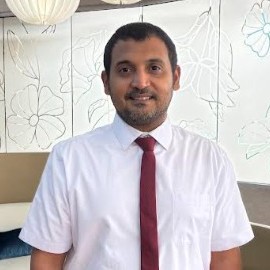
Dr. Mohammad Haekal
Dr. Mohammad Haekal
Dr Mohammad Haekal – Endometriosis Specialist
Summary: Dr Mohammad Haekal is a skilled endometriosis specialist based in Jakarta, Indonesia, known for his comprehensive approach to care. Dr Mohammad Haekal’s clinical philosophy integrates multiple theories of disease origin—including retrograde menstruation, stem cell, and epigenetic mechanisms—to better understand and manage endometriosis in an evidence-based manner. He also believes that natural conception may still be possible after complete and meticulous surgical excision if normal anatomy and physiological function are restored.
Dr. Haekal follows a stepwise treatment strategy, where hormonal therapy—including progestins, GnRH injections, and LNG-IUS or implants—is used as first-line management for endometriosis-associated pain. Surgical intervention is recommended when medical therapy fails or when there is a clear clinical indication. In fertility-focused care, he routinely evaluates ovarian reserve: patients with good ovarian reserve and surgical benefit undergo comprehensive excision surgery, while those with low ovarian reserve are advised to proceed directly to Assisted Reproductive Technology (ART) to optimize fertility outcomes.
He performs systematic pre-operative mapping using ultrasound and MRI to define disease extent and detect residual lesions, with all surgeries carefully planned and carried out by a multidisciplinary team, focusing on complete excision of deep infiltrating endometriosis (DIE). For recurrent endometrioma, he adopts a fertility-preserving approach using suction combined with selective surgical and laser techniques to protect ovarian reserve. Post-operatively, he provides tailored hormonal therapy for patients delaying pregnancy and prioritizes medical management for persistent pain, generally recommending only one well-executed comprehensive surgery, with the goal of improving symptom control, fertility outcomes, and overall quality of life.
City: Jakarta, Indonesia
Philosophy of Endometriosis Care: Retrograde, stem cell, and epigenetic theories. For treatment associated infertility, I always check for ovarian reserve of the patient. If there is good ovarian reserve and there is benefit of the surgery then we performed the surgery. If the patient have low ovarian reserve then we directly go to ART.
I always believe that there is always a chance to naturally conceived after complete and comprehensive surgical excision if we can restore the anatomy and physiologically.
I also give medication for post-operative patients who want to delay their fertility to reduce risk.
Systematic pre-operative mapping with ultrasound and MRI will be performed to search for residual lesions.
Surgery will be done based on pre-operative diagnostic with multidisciplinary team. We will performed complete excision of DIE lesion. For repeated endometrioma I only performed suction (+surgical) and laser, since it will markedly decreasing of ovarian reserve in repeated surgery and will made bad prognosis for fertility.
What type of surgery do you perform for endometriosis: Excision
Medication: Hormonal (progestin, GnRH Injection, LNG IUS or Implant) using as first line treatment for endometriosis associated pain. Excision surgery will performed if there is failed of medication treatment.
Approach to Persistent Pain After Surgery: Medical management first, we only perform a single, complete, comprehensive surgery.
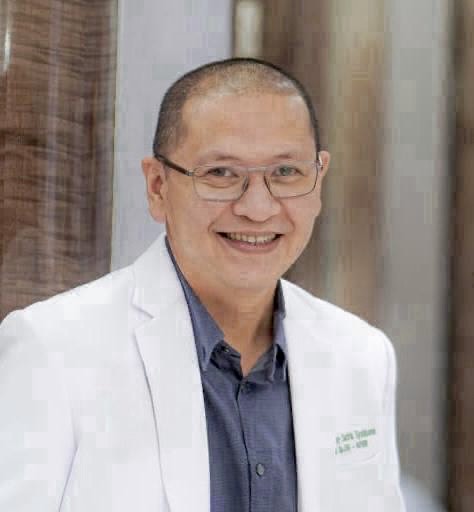
Dr. Luky Satria
Dr. Luky Satria, M.D.
Jakarta Doctor, Dr Luky Satria – Endometriosis Specialist, Gynecologist, Minimally Invasive Gynecologic Surgeon
Summary: Dr. Luky Satria is a highly respected Jakarta doctor specializing in endometriosis care and minimally invasive gynecologic surgery. Patients seeking expert, compassionate care often turn to Dr. Luky Satria for a personalized treatment plan that balances medication, surgery, and fertility considerations. His approach begins with hormonal therapy to manage endometriosis-related pain, reserving surgery for cases where medication is ineffective or when fertility outcomes can be improved.
Known for his thoughtful and evidence-based methods, Dr. Satria carefully evaluates each patient’s condition using imaging tools like ultrasound or MRI to guide the next steps. Postoperative care often includes continued hormonal treatment to reduce recurrence and support long-term well-being. As a trusted Jakarta doctor, Dr. Luky Satria is committed to delivering thorough, respectful care to every patient, tailoring his approach to meet their individual health and fertility goals.
City: Jakarta, DKI Jakarta, Indonesia
Philosophy: Probably multifactorial, coelomic metaplasia and retrograde menstruation combined with genetic-epigenetic factor
Medication: I use medication/ hormonal (progestin or LNG IUS) as the first-line treatment for endometriosis-associated pain, when the hormonal failed then complete excision surgery will be done. I also give hormonal treatment to patients waiting for surgery.
Hormonal treatment is also given to post-operative patients who don’t seek fertility to reduce recurrence risk.
Approach to Persistent Pain After Surgery: Systematic mapping with ultrasound (or MRI when needed) will be done to search for residual lesions (due to incomplete surgery) or de novo lesions. Surgery will be done when we find DIE lesions, but if it is ovarian lesions (endometrioma), I will suggest hormonal treatment or ART since repeat surgery of recurrent endometrioma will give a bad prognosis in ovarian function, especially in subfertility patients.