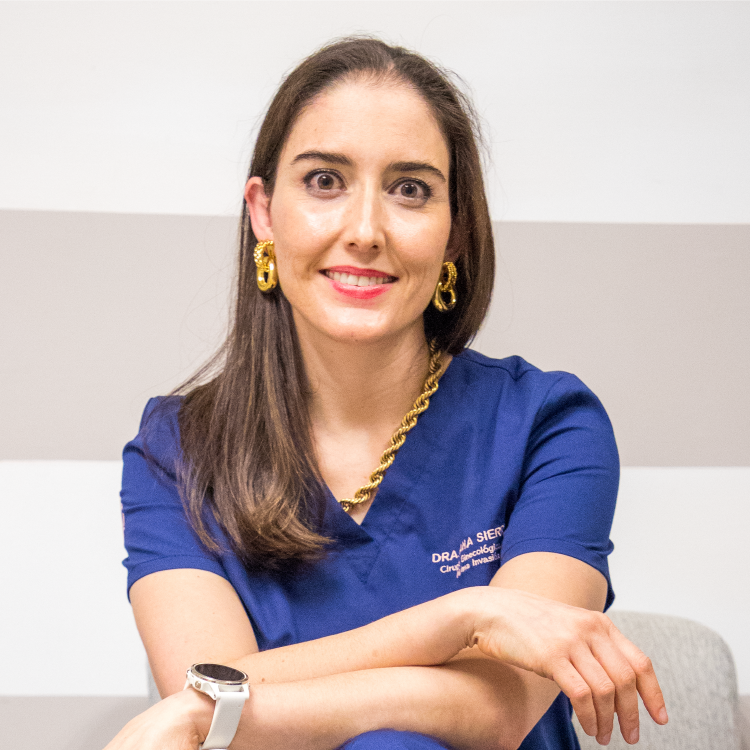
Dr. Ana Gabriela Sierra Brozon
Dr. Ana Gabriela Sierra Brozon
Dr Ana Sierra – Minimally Invasive Gynecological Surgery
Summary: Dr Ana Sierra is a skilled minimally invasive gynecologic surgeon based in Mexico City, specializing in endometriosis care. With a deep understanding of the condition’s complexity, Dr Ana Sierra embraces a unique approach grounded in the mesodermal origin theory, viewing endometriosis as a congenital condition rather than one solely caused by retrograde menstruation. This insight shapes her commitment to early diagnosis and precision excision surgery, making Dr Ana Sierra a trusted choice for patients seeking expert, evidence-based care.
She creates personalized treatment plans that may include hormonal therapy, anti-inflammatory supplements, and pelvic floor physiotherapy. When persistent pain remains after surgery, Dr Ana Sierra conducts a thorough neuropelviology evaluation and collaborates closely with pain management specialists. Patients benefit from her thoughtful, multidisciplinary approach and dedication to long-term relief. With Dr Ana Sierra, endometriosis care is comprehensive, compassionate, and rooted in the latest medical understanding.
City: Mexico City, Mexico
Philosophy of Endometriosis Care: Our approach to the treatment of endometriosis is based on the mesodermal origin theory, which suggests that individuals are born with endometriotic-like cells due to embryological misdifferentiation of the mesoderm. This theory posits that endometriosis is not solely a retrograde menstruation phenomenon but rather a condition that originates during fetal development, where misplaced Müllerian or mesothelial cells retain their potential to differentiate into endometrial-like tissue later in life.
This perspective explains why endometriosis can be diagnosed in prepubertal patients, postmenopausal women, and even in cases without functional menstruation. It also underscores the importance of a comprehensive excision-based surgical approach, as the disease is not merely a result of refluxed endometrial tissue but rather a condition embedded in the developmental blueprint of the pelvic structures. Understanding endometriosis from a congenital standpoint allows us to refine treatment strategies, emphasizing early diagnosis, precision excision surgery, and a multidisciplinary approach to improve patient outcomes.
What type of surgery do you perform for endometriosis: Excision
Medication: Hormonal treatment, primarily progestins, only when necessary; anti-inflammatory diet; pelvic floor physiotherapy; anti-
Approach to Persistent Pain After Surgery: If the patient persists with neurological alterations, I perform an extensive neuropelviology evaluation and interconsultation with pain management specialists.
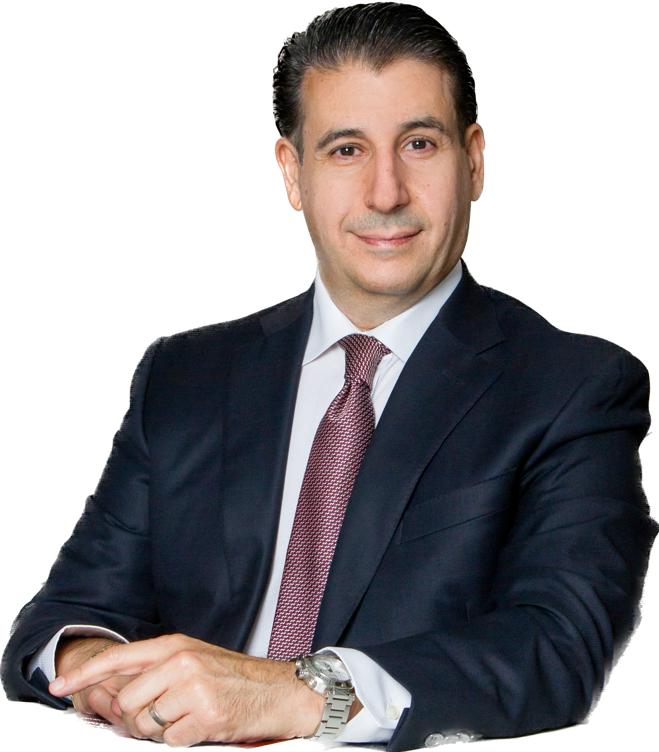
Dr. Abdala Karame
Dr. Abdala Karame, Endometriosis Specialist
City: Maracaibo, Venezuela
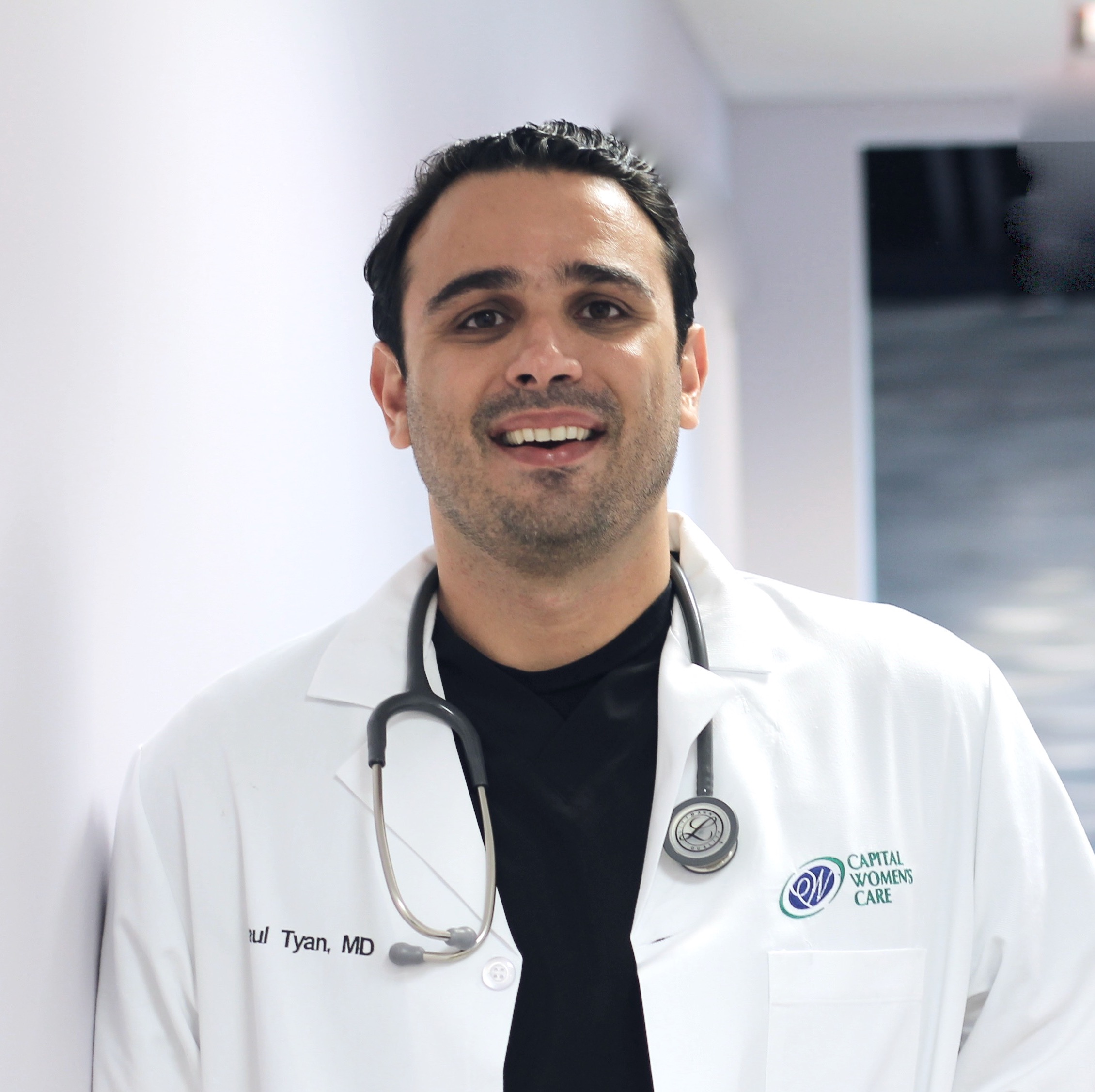
Dr. Paul Tyan
Dr. Paul Tyan, M.D.
Dr Paul Tyan – Endometriosis Specialist, Gynecologist, Minimally Invasive Gynecologic Surgeon
Summary: Dr Paul Tyan is a leading endometriosis specialist and minimally invasive gynecologic surgeon based in Arlington, VA. Known for his patient-centered approach and deep expertise, Dr. Tyan brings clarity and compassion to those navigating the complexities of endometriosis. Patients searching for experienced care often turn to Paul Tyan, or Dr Paul Tyan, for his commitment to evidence-based, individualized treatment plans. With a strong foundation in the latest research, including genetic and epigenetic insights, Dr Tyan endometriosis care emphasizes early intervention and holistic pain management.
He specializes in excision surgery and integrates hormonal therapies, physical therapy, and medication tailored to each patient’s needs. Whether you’re exploring treatment for deeply infiltrative endometriosis or managing persistent pain after surgery, Dr. Paul Tyan offers thoughtful, comprehensive support. With Dr Tyan endometriosis care, patients receive both advanced clinical knowledge and the compassionate guidance they deserve.
City: Arlington, VA, USA
Philosophy: In its most basic definition, endometriosis is the presence of endometrial cells (that form the inner lining of the uterus) outside the uterus. In some patients, those ectopic cells can produce an inflammatory response that is at the origin of various cascades that can lead to pain or scarring. There are multiple proposed theories about the origin of endometriosis. The only certainty is that the origin of endometriosis is multifactorial.
The retrograde menstruation or implantation theory is one of the initial principles of the pathogenesis of endometriosis;however, it has been challenged as the single cause for several years, as evidenced by the occurrence of symptomatic endometriosis in premenarchal and postmenopausal women. Also, by the fact that nearly all patients will have retrograde menstruation, but not everyone has endometriosis.
Most recently, we have had significant advances in the genetic and epigenetic theory of endometriosis. The clonality of endometriosis lesions and the cancer-driver genes that have been identified in deeply infiltrative endometriosis lesions shed light on the genetic component of the disease. Recent work on the epigenetic factors linked to external conditions affecting pluripotent cell behavior in the setting of endometriosis is a promising field set to unveil exciting information.
Keeping up to date with the intricacies of the pathogenesis of endometriosis is crucial to my clinical practice. Many patients will be counseled over the years that surgery is unnecessary at that blocking the menstrual cycle or hormonal suppression is sufficient for “curing” endometriosis. Explaining to patients the complex nature of the disease and the necessity of early intervention, especially in the deeply infiltrative endometriosis subtype, could be a crucial factor in decreasing morbidity and improving the quality of life of my patients.
What type of surgery do you perform for endometriosis?:
Excision
Medication: I recommend a combination hormonal contraceptive (birth control) for post-surgical suppression. In cases where a combination option is contraindicated, I recommend a progesterone-only option.
I recommend treatment with an SSRI, SNRI, or GABA-Analog for patients with central sensitization due to chronic pain secondary to endometriosis.
For patients with pelvic floor tension myalgia, I recommend physical therapy, various muscle relaxers, and trigger point injections or nerve blocks in warranted conditions.
Treatment plans tend to be individualized based on the patients’ presenting symptoms, surgical management, and postoperative course.
Approach to Persistent Pain After Surgery: For some patients, endometriosis excision is sufficient for complete symptomatic relief. However, some patients will still have symptoms after surgery. It is crucial to counsel patients before surgery that endometriosis excision is only one aspect of a comprehensive management plan that should involve central and peripheral pain management, pelvic floor physical therapy, and dietary modification.
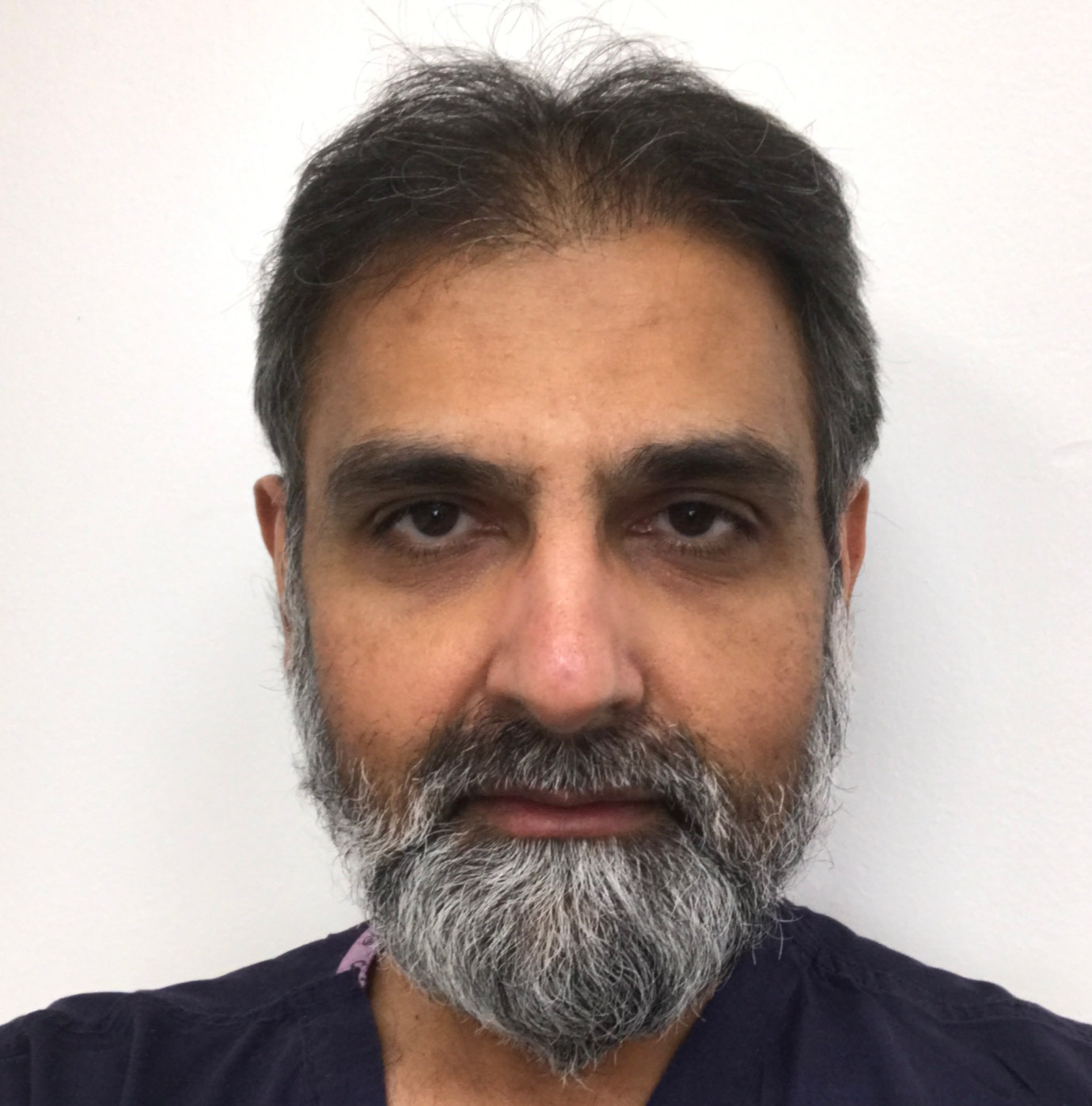
Mr Waseem Kamran
Mr Waseem Kamran
Mr Waseem Kamran – Consultant Surgical Gynecologist, Endometriosis Specialist
Summary: Mr Waseem Kamran is a highly skilled consultant surgical gynecologist and endometriosis specialist based in Dublin, Ireland. With a deep understanding of the genetic and embryonic origins of endometriosis, Mr. Waseem Kamran brings a comprehensive approach to diagnosis and treatment. His approach to endometriosis is based on the principles of radical cytoreduction, similar to that used in metastatic disease processes, ensuring the best possible outcomes for his patients.
With a focus on excision surgery (performed in 99% of cases), Mr. Waseem Kamran specializes in removing endometrial tissue to improve quality of life. He also uses hormonal treatments like progestogens and GNRH analogues, both before and after surgery, to manage symptoms.
For patients dealing with persistent pain post-surgery, Mr. Waseem Kamran often recommends hormone treatment and medications like pregabalin, particularly when deep nerve surgery has been performed. His care is tailored to each patient’s needs, ensuring a compassionate and effective approach.
City: Dublin, Ireland
Philosophy: Genetic- Embryonic origin and hence disease distribution can occasionally pose diagnostic dilemma
Treatment approach is the one used for metastatic disease process- radical cytoreduction
Surgery technique:
99% excision
1% ablation in certain cases- ovarian/spleen
Medication: progestogens- pre and post-op
GNRH analogues- pre-op in a select number of cases
Approach to Persistent Pain After Surgery: Hormone treatment
Pregabalin especially if deep nerve surgery is done

Dr. Aoife O Neill
Dr. Aoife O Neill, Minimally Invasive Gynecologic Surgeon, Endometriosis Specialist
City: Dublin, Ireland
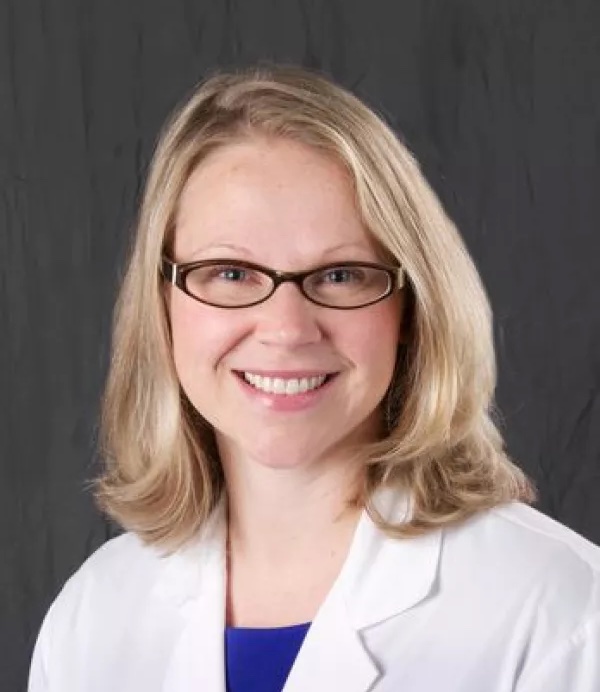
Dr. Jessica Kresowik
Dr. Jessica Kresowik, Endometriosis Specialist, Minimally Invasive Gynecologic Surgeon, Reproductive Endocrinologist
City: Iowa City, Iowa, USA
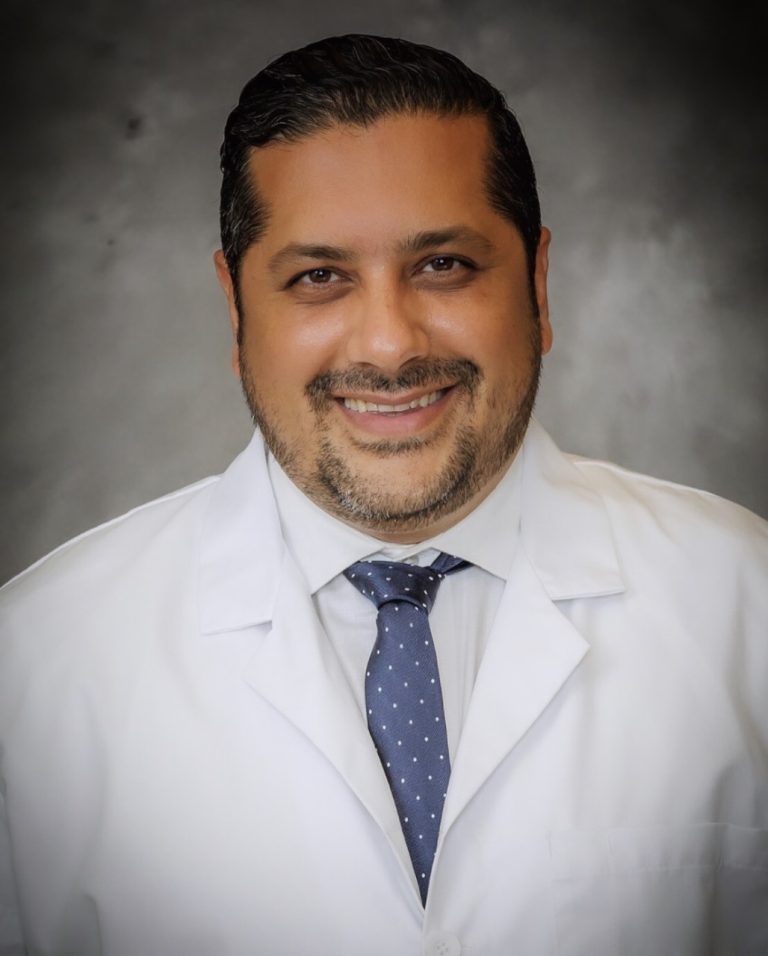
Dr. Soorena Fatehchehr
Dr. Soorena Fatehchehr, M.D.
Dr Soorena Fatehchehr – Endometriosis Specialist, UroGynecologist, Minimally Invasive Gynecologic Surgeon
Summary: Dr Soorena Fatehchehr, MD, is an experienced endometriosis specialist and urogynecologist in Long Beach, CA. Dr. Fatehchehr focuses on minimally invasive techniques for treating endometriosis, including excision surgery, and emphasizes the importance of individualized care. His approach to pain management post-surgery involves a combination of pelvic floor physical therapy, Botox injections, pain psychology, and relaxing exercises like yoga. For patients dealing with persistent pain, Dr. Fatehchehr recommends imaging and, in some cases, a second surgical look. He often starts treatment with temporary ovarian suppression using birth control pills, particularly after excising ovarian endometriomas. Whether you’re seeking expert care for endometriosis or need ongoing support, Dr. Soorena Fatehchehr offers a comprehensive, patient-centered approach to help you on your journey to better health.
City: Long Beach, CA, USA
Philosophy: Excision of endometriosis
Medication: Temporary ovarian suppression with birth control pills after excision of ovarian endometrioma
Approach to Persistent Pain After Surgery: It depends on the timeline of the persistent pain, location and severity: Usually 3 months post op: Pelvic floor physical therapy, Botox injection to the pelvic floor, pain psychologist, pain management, relaxing work out including yoga. If the pain persists for a year then imaging and possible second look.
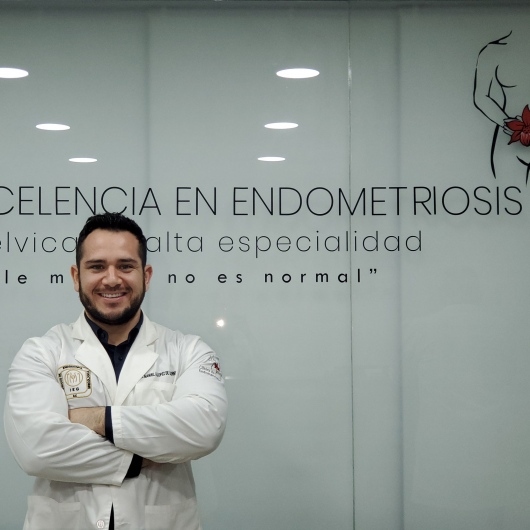
Dr. Manuel Lopez
Dr. Manuel Antonio Lopez de la Torre, M.D.
Dr Manuel Lopez – Endometriosis Specialist, Gynecologist, Minimally Invasive Gynecologic Surgeon
Summary: If you’re looking for expert care in endometriosis, Dr Manuel Lopez is a trusted and compassionate specialist dedicated to helping women live healthier, more comfortable lives. Many patients first discover Dr. Manuel Lopez while searching for top gynecologists under names like Manuel Lopez MD San Antonio or Doctor Manuel Lopez, drawn by his excellent reputation. Though based in Guadalajara, Jalisco, Mexico, Dr. Manuel A Lopez MD San Antonio TX is well known to U.S. patients who travel for his expert care in minimally invasive gynecologic surgery.
Dr. Lopez takes a thoughtful, individualized approach to endometriosis, grounded in both medical science and empathy. He draws on a range of theories, including celomic metaplasia, retrograde menstruation, lymphatic and vascular dissemination, and embryonic origins, as well as genetic and immunological factors, to inform his care.
For treatment, Dr. Lopez typically begins with combined progestins, followed by pure progestins if needed, and rarely, GNRH analogues with add-back therapy. Pain is managed with COX inhibitors, NSAIDs, smooth muscle relaxants, and supportive treatments like multivitamins.
What truly sets Dr. Manuel Lopez apart is his conservative and holistic approach to surgery, which is only recommended for about 30% of patients. His multidisciplinary team includes experts in colorectal surgery, fertility, urology, physical therapy, psychology, nutrition, pain management, and sexology to ensure patients receive well-rounded care.
City: Guadalajara, Jalisco, Mexico
Philosophy:
Medication:
Approach to Persistent Pain After Surgery:
When needed, the treatment always starts BEFORE the surgery, and SURGERY is indicated only in approximately 30% of our total amount of patients. Generally, most of the indications for surgical procedures depend on adhesions, anatomical changes due to nodules or adhesions, deep infiltrating nodules affecting the organs functional tissue(Muscular layers), adenomyosis. We always perform an integral follow-up on patients. Our clinic is constituted by multiple specialties, and we derive before surgery to the affected areas to deep study. When the symptoms continue, depending on the area, they get treated by whoever is demanded (Colo- proctology, Fertility, Urology, Physical Therapy, Psychology/Psychiatry, Nutrition, Pain specialist, Sexology).
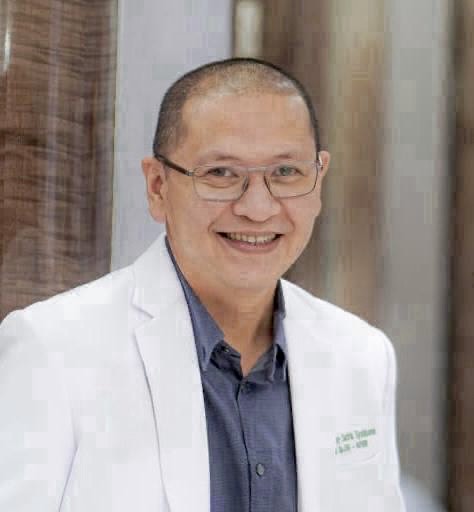
Dr. Luky Satria
Dr. Luky Satria, M.D.
Jakarta Doctor, Dr Luky Satria – Endometriosis Specialist, Gynecologist, Minimally Invasive Gynecologic Surgeon
Summary: Dr. Luky Satria is a highly respected Jakarta doctor specializing in endometriosis care and minimally invasive gynecologic surgery. Patients seeking expert, compassionate care often turn to Dr. Luky Satria for a personalized treatment plan that balances medication, surgery, and fertility considerations. His approach begins with hormonal therapy to manage endometriosis-related pain, reserving surgery for cases where medication is ineffective or when fertility outcomes can be improved.
Known for his thoughtful and evidence-based methods, Dr. Satria carefully evaluates each patient’s condition using imaging tools like ultrasound or MRI to guide the next steps. Postoperative care often includes continued hormonal treatment to reduce recurrence and support long-term well-being. As a trusted Jakarta doctor, Dr. Luky Satria is committed to delivering thorough, respectful care to every patient, tailoring his approach to meet their individual health and fertility goals.
City: Jakarta, DKI Jakarta, Indonesia
Philosophy: Probably multifactorial, coelomic metaplasia and retrograde menstruation combined with genetic-epigenetic factor
Medication: I use medication/ hormonal (progestin or LNG IUS) as the first-line treatment for endometriosis-associated pain, when the hormonal failed then complete excision surgery will be done. I also give hormonal treatment to patients waiting for surgery.
Hormonal treatment is also given to post-operative patients who don’t seek fertility to reduce recurrence risk.
Approach to Persistent Pain After Surgery: Systematic mapping with ultrasound (or MRI when needed) will be done to search for residual lesions (due to incomplete surgery) or de novo lesions. Surgery will be done when we find DIE lesions, but if it is ovarian lesions (endometrioma), I will suggest hormonal treatment or ART since repeat surgery of recurrent endometrioma will give a bad prognosis in ovarian function, especially in subfertility patients.
Dr. Anna Reinert
Dr Anna Reinert, M.D.
Dr Anna Reinert – Endometriosis Specialist, Gynecologist, Minimally Invasive Gynecologic Surgeon
Summary: Anna Reinert is a Los Angeles-based gynecologist and endometriosis specialist with advanced expertise in minimally invasive surgery. Patients seeking compassionate, individualized care often turn to Dr Anna Reinert for her thoughtful, science-driven approach to managing complex pelvic pain. Known for integrating surgery with long-term symptom support, Dr. Anna Reinert emphasizes hormonal suppression, lifestyle strategies, and collaboration with physical therapists and pain specialists to promote lasting relief.
Dr Reinert is deeply committed to understanding each patient’s unique presentation of endometriosis, tailoring treatment to include thorough preoperative evaluations, targeted surgical care, and ongoing pain management. She frequently uses non-opioid medications and custom therapies to support healing and improve quality of life. Patients consistently praise Dr. Anna Reinert for her warm, thorough care and for being a trusted partner through every stage of their endometriosis journey. Learn more by reading Dr. Anna Reinert reviews and discovering how she helps patients find real, sustainable relief.
City: Los Angeles, CA, USA
Philosophy: Endometriosis is such a varied disease. I think that the relative contributions of different pathogenic mechanisms vary between patients. For most patients, I find that the greatest burden of disease is present at initial surgery, with much less recurrence over time, which suggests an in situ disease theory. I have seen more aggressive forms of the disease where recurrence happens quickly and in areas where peritoneal resection was recently performed, suggestive of a retrograde menstruation mechanism. In patients seeking surgery who are done with childbearing, I recommend hysterectomy – but if a patient does not desire hysterectomy, I recommend bilateral salpingectomy to try to minimize the risk of retrograde menstruation. I also recommend hormonal menstrual suppression as part of symptom control in women desiring future fertility.
I am hopeful that over time, the inflammatory cytokine cascades involved in endometriosis pathogenesis will be elucidated, and that we will be able to treat women with a small molecule inhibitor medication, similar to what is being used to prevent ovarian cancer recurrence, as part of post-surgical medical management of endometriosis.
Medication: I frequently recommend the use of hormonal contraceptive medications to suppress menstruation in women not seeking immediate fertility (combined OCPs, Depo-Provera, Kyleena IUD placement), both pre-operatively and post-operatively. I do not routinely recommend GnRH agonists or antagonists but may consider these for refractory pain after surgery in specific patients, or for temporary symptom management if surgery needs to be delayed and symptoms have persisted despite the use of hormonal contraception and other non-hormonal pain medications. I also take a multimodal approach to pain management, including the use of oral and vaginal muscle relaxants, lidocaine patches, NSAIDs, and Tylenol.
Approach to Persistent Pain After Surgery: Prior to surgery, I perform a comprehensive pelvic pain evaluation to assess for overlapping conditions such as spastic pelvic floor syndrome, interstitial cystitis, irritable bowel syndrome, or vulvodynia, and I look for evidence of central sensitization. Patients identified as having pelvic floor spasms pre-operatively will be referred to pelvic PT as part of their management of chronic pelvic pain, so many patients are referred to work with pelvic PT post-operatively. I prescribe oral and vaginal muscle relaxants for the management of pelvic floor spasms and perform Botox trigger point injections into the pelvic floor muscles when applicable. I will treat interstitial cystitis or IBS with medications and elimination diets. I use topical compounded ointments for vulvodynia, including topical gabapentin and hormones.
In patients who have persistent symptoms after surgery that are not specifically related to muscle spasms, IC, or IBS, I will assess for central sensitization and consider the use of duloxetine or a tricyclic antidepressant. I may recommend the use of ketamine, either in the vaginal suppository that I prescribe or as an oral agent prescribed by one of the pain management specialists with whom I collaborate. In specific patients, I may consider the use of GnRH agonists or antagonists as part of post-op pain management.
In addition to physical therapists, I collaborate with occupational therapists who specialize in lifestyle redesign for chronic pain, pain management specialists who understand pelvic pain and offer a variety of interventional procedures, and pain psychologists – and will refer patients to this team of providers as part of managing persistent pain symptoms.

Dr. Gaby Moawad
Dr. Gaby Moawad, MD.
Dr Gaby Moawad Md – Endometriosis Specialist, Gynecologist, Minimally Invasive Gynecologic Surgeon
Summary: Dr Gaby Moawad MD is a renowned endometriosis specialist and minimally invasive gynecologic surgeon based in McLean, VA. With a research-driven approach, Dr Gaby Moawad blends advanced surgical expertise with a deep understanding of genetic and epigenetic factors influencing endometriosis. Patients searching for expert care from Gaby Moawad MD will benefit from his commitment to holistic, personalized treatment that goes beyond surgery.
Gaby Moawad offers comprehensive management for chronic pelvic pain, combining surgical precision with hormonal therapy, pain desensitization, pelvic floor therapy, and integrative care like acupuncture and nutrition. Dr Gaby Moawad ensures each patient receives thoughtful, long-term support tailored to their fertility goals and symptom profile. His dedication to evidence-based care and whole-person healing makes him a trusted choice for those seeking lasting relief from endometriosis.
City: Mclean, VA, USA
Philosophy: Endometriosis has been considered for a century as implants of endometrial-like tissue outside the uterus either following retrograde menstruation into the peritoneal cavity or following hematological dissemination. This implantation theory is attractive as endometriosis looks histologically like the endometrium, as retrograde menstruation contains living cells that can implant, and as the fibroblasts from endometriosis or from the endometrium of women with endometriosis have an increased invasion capacity.
The implantation theory does not explain why endometriosis lesions develop in some women only, while retrograde menstruation seems to occur in most women. Some observations are difficult to explain by the implantation of endometrial cells following retrograde menstruation. The clonality of each endometriosis lesion, as described for deep and cystic and typical endometriosis, is more consistent with a G-E (genetic-epigenetic) incident related to intracellular aromatase activity resulting in intracellular estrogen production than to newly implanted endometrium. The implantation theory does not explain the occurrence of endometriosis in women without a uterus, and in men. It is more likely that deep endometriosis lesions can become symptomatic more than 10 years after menopause in the absence of increased circulating estrogen as a result of a G-E cellular incident than that implanted endometrium would suddenly start to develop. It should be realized that theories such as coelomic metaplasia, endometriosis originating from bone marrow/stem cells, Müllerian rests, tissue injury and repair, repeated tissue injury and repair, estrogen toxicity and traumatic induction are compatible with and can be considered today to require epigenetic changes.
Recently, the G-E theory of endometriosis was formulated as an update of the endometriotic disease theory. Endometriosis starts in the G-E theory, irrespective of the original cell when a cumulative combination of specific genetic and/or epigenetic cellular incidents exceeds a certain threshold. The inherited genetic and epigenetic incidents at birth explain the hereditary character of endometriosis. It remains unclear whether and how epigenetic changes are transmitted transgenerationally in endometriosis. The effects of minor G-E abnormalities remain clinically invisible because of the redundancy of molecular biological mechanisms in the cell, but they increase the risk of developing the disease when additional incidents occur. Additional incidents can occur during intra-uterine development because of the maternal environment and external factors, and during live mainly as mistakes during mitosis. Most G-E mistakes result in apoptosis of the cell if they cannot be repaired. Some minor incidents, however, do not cause cell death and are transmitted to the next generation of cells. These incidents are favored by mutagenic substances such as dioxins and other pollutants, radiation, or oxidative stress such as caused by retrograde menstruation or by infection or by the peritoneal microbiome. The dynamic and gradual aspect of these mistakes and their inheritance is important. The crosstalk between genetic and epigenetic mechanisms makes the cell vulnerable to new incidents, especially when the external circumstances are unfavorable. The cell thus becomes progressively more vulnerable to acquiring more mistakes, with some of them being cancer-associated mutations explaining the clonal expansion.
The G-E theory adds to the implantation and other theories that the onset of the disease requires a cumulative and triggering combination of G-E cellular incidents. With the G-E hypothesis, it seems logical to postulate that the specific set of G-E incidents will orient the development into clinically subtle, typical, cystic or deep lesions. A specific set of G-E incidents also explains that each type of lesion is heterogenous with variable aromatase activity, progesterone resistance, estrogen sensitivity and probably many other factors. Additional incidents occurring during further development result in endometriosis lesions which are probably also heterogeneous at the cellular level, as demonstrated for breast cancer.
After their triggered initiation, the lesions develop in an environment different from the uterus with different microbiota and different immunologic, endocrine and paracrine influences. The cyclic endocrine changes with eventual bleeding will moreover result in repetitive traumas which increase the risk of developing additional G-E incidents and ultimately fibrosis. Therefore, all theories emphasising trauma, immunology, the role of estrogen and peritoneal fluid retain their full importance for understanding the growth of endometriotic lesions.
Much of the many endometriosis-associated changes, such as changes in the endometrium and in the immunology can be viewed as a consequence of the inherited predisposition instead of being a consequence of endometriosis.
Although poorly understood, reversibility of epigenetic changes becomes more difficult when additional epigenetic incidents have occurred. When the associated genomic instability results in genetic errors, changes become irreversible.
Medication: OCP, Progestins including IUD, gabapentin, Lyrica.
OCP, Progestins are mainly used for suppression after excision
Gabapentin, Lyrica is used for central pain desensitization in preparation to or after surgical management especially for patients with chronic pelvic pain and amplified pain response
Approach to Persistent Pain After Surgery: Endometriosis excision surgery is only one part of the comprehensive approach to the management of endometriosis. Pain medicine has an important role in managing central pain and neuropathic pain, pelvic floor PT helps with myofascial pain associated with endometriosis, other ancillary services like nutrition and pain psychology, acupuncture has proven an added value in the management of endometriosis-associated conditions
Dr. Rachael Haverland
Rachael Haverland, M.D.
Dr Rachael Haverland – Endometriosis Specialist, Gynecologist, Minimally Invasive Gynecologic Surgeon
Summary: Dr Rachael Haverland is a gynecologist and endometriosis specialist in Dallas, TX, known for her thoughtful, holistic approach to care. As a minimally invasive gynecologic surgeon, Dr Haverland focuses on complete excision surgery—the gold standard for endometriosis treatment—and supports recovery through a multidisciplinary care plan. Many Dr Rachael Haverland reviews highlight her dedication to addressing the full picture of pelvic pain, including related conditions like IBS and interstitial cystitis.
With a strong belief that every patient’s journey is unique, Dr. Haverland avoids one-size-fits-all treatments and limits the use of medications with harsh side effects. Instead, she often combines non-opioid pain management, pelvic floor physical therapy, and collaborative care with other specialists. Patients value how Dr. Rachael Haverland takes the time to uncover the root causes of pain and stay involved throughout the healing process—an approach that consistently earns praise in Dr. Rachael Haverland reviews.
City: Dallas, TX, USA
Philosophy: The etiology of endometriosis is complex. I do not agree with retrograde menstruation as I have seen premenstrual as well as postmenopausal patients with endometriosis. This also leads to the idea if you stop menstruation, you stop the pain which is not always the case. While more research on endometriosis needs to be done, I do believe the endometriotic implants are likely genetically present consistent with the Mullerianosis theory. They may additionally spread by lymphatic or blood systems ( how we get cardiac and pulmonary endometriosis). Endometriosis for gold standard treatment must be excised completely. Once appropriate excision surgery has been completed, a dynamic team approach with pelvic floor PT, injections by physiatrists and frequent postoperative visits to ensure no other additional diagnosis was missed is important. Frequently IBS, IC, or other chronic conditions are found in patients with endometriosis.
Medication: Endometriosis treatment is multifaceted and must start with a holistic approach to not only management of the endometriosis but also the other disease processes. I reserve/restrict the use medications such as Lupron, Orlissa, or other GnRH agonists or antagonists due to significant physical and mental side effects. Medications can be used to help symptoms if a patient does not desire excision surgery and options such as progesterone IUD or birth control pills are offered if desiring contraception. I also discuss after surgery, the first 2-3 cycles may be irregular and or more painful due to acute inflammation. Frequently, I use other non-opioid mediations such as NSAIDs, duloxetine, gabapentin, other SNRIs and compounded medications in adjunct depending on the patient’s pain generators.
Approach to Persistent Pain After Surgery: Multidisciplinary approach is the key to success! After patients have been in prolonged pain, the central sensitization of pain cycle can be important to address. Using compounded vaginal suppositories, pelvic floor PT, pelvic floor Botox and also targeted nerve injection series with physiatrist can be beneficial to address pain after surgery. If persistent pain continues, my approach is individualized. First, I closely evaluate each organ system to ensure we are addressing each area in a holistic approach at the initial visit to identify potential coexisting pain generators. At the initial consultation visit I also identify other compounding potential etiologies of pain. Sometimes a second look is necessary or discussion of other forms of hormonal suppression. I always follow my patients until their symptoms are improved.