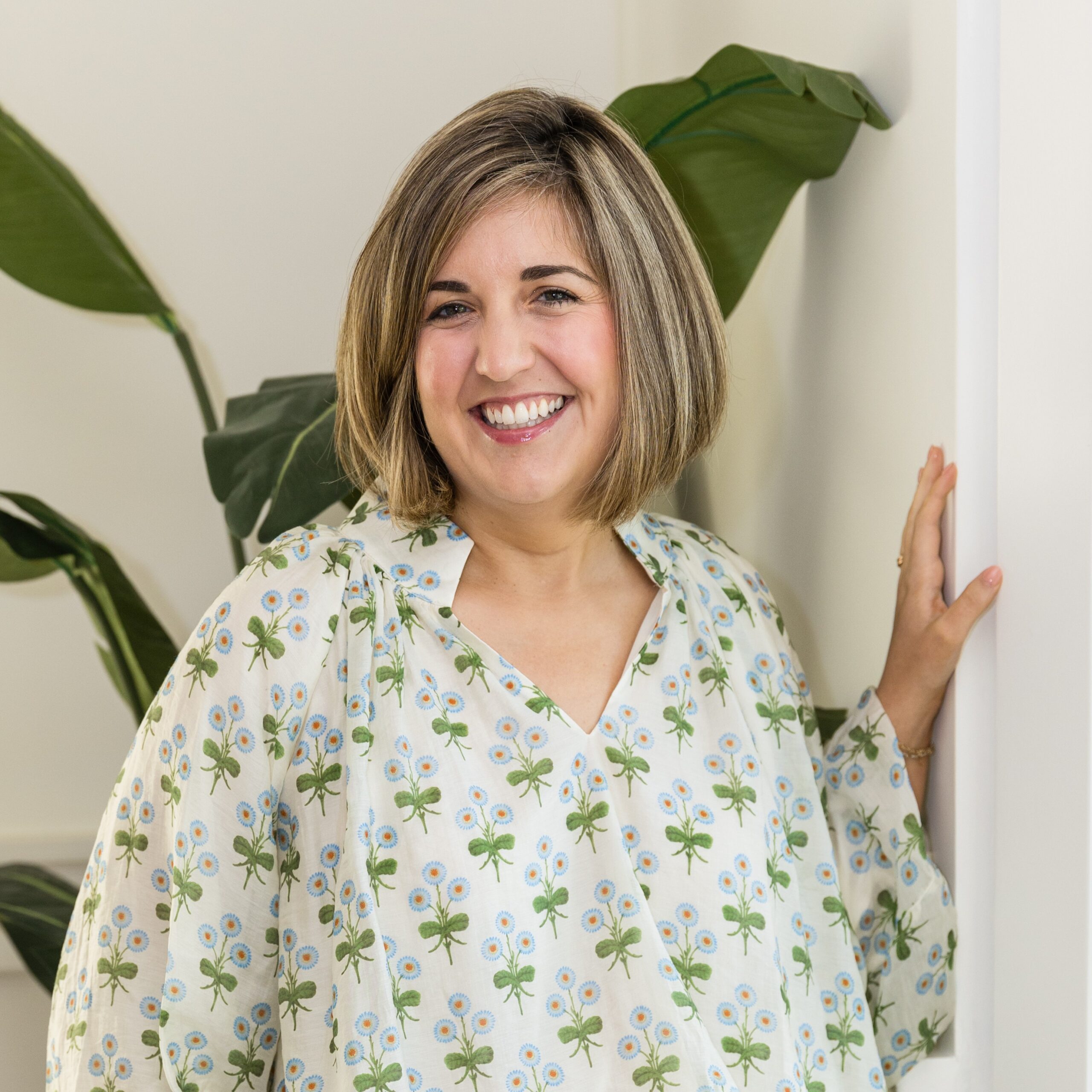
Lillian Medhus
Lillian Medhus, DNP, WHNP-BC, CNM, MSCP
Endometriosis Long Term Care Provider
Summary: Lillian Medhus, DNP, a Women’s Health Nurse Practitioner and skilled Long-Term Endometriosis Care Provider at Aspire Women’s Wellness. She specializes in comprehensive management of endometriosis, viewing it as a chronic, systemic neuroinflammatory condition and providing individualized, evidence-based care that addresses the whole person rather than focusing solely on gynecologic symptoms
Her comprehensive approach combines hormonal and non-opioid pain management, lifestyle and dietary interventions, metabolic health optimization, and treatment of coexisting conditions such as pelvic floor dysfunction, adenomyosis, migraines, IBS/IBD, hypermobility, MCAS, and mood disorders. She collaborates closely with surgeons, pelvic floor therapists, mental health providers, dietitians, and other specialists to support patients before and after surgery.
Lillian is a Menopause Society Certified Practitioner and holds certifications as a Certified Nurse Midwife, Women’s Health Nurse Practitioner, Certified Nurse Practitioner, and Registered Nurse. She earned her Doctor of Nursing Practice from Frontier Nursing University and her Master’s degree in Nurse Midwifery and Women’s Health Nurse Practitioner from Georgetown University, complemented by advanced training in trauma counseling.
City: Northfield, Minnesotta, USA
Visit types: In-Person (MN only) and Telehealth (throughout MN, TX, OK, and KS)
Spoken languages: English
Interpreting services for other languages: No
Philosophy of Endometriosis Care: Endometriosis is a chronic, neuroinflammatory condition that affects the entire body. The origin is likely genetic and pathophysiologic in nature, with an increased risk of symptoms in patients with other neuroimmune conditions. Treatment must look at the entire body, not isolated treatment of the gynecologic organs. Interventions to reduce inflammation and improve long-term health, include treatment of insulin resistance, nutrient deficiencies, consideration of the increased cardiovascular risks of endometriosis, and treatment of chronic overlapping pain conditions and central sensitization. Patients achieve the best outcomes with interdisciplinary care among surgeons, pelvic floor therapists, mental health providers, dieticians, long-term care providers, and other complementary therapies.
Medication: Progestogens: Progesterone, Drosperinone, Norethindrone acetate, Medroxyprogesterone. Progestogens are utilized for dysmenorrhea, menorrhagia, or chronic pelvic pain. Type of progestogen is based on patient preference, medication history, and pregnancy plans. I currently practice through telehealth only, however I may encourage a patient with suspected adenomyosis to pursue levonorgestrel IUD with their local GYN provider. Low dose naltrexone is utilized as an off-label option for chronic pain & inflammation. Vaginal suppositories (typically baclofen, with or without diazepam & gabapentin) are utilized for pain flares, sciatic pain, and hypertonic pelvic floor. Tirzepatide is used on-label for patients with insulin resistance, obesity, or metabolic disease. It is used off-label in small doses for inflammation. NSAIDs are utilized for pain. GnRH analogs are only used if the patient comes to our practice stable on them or as a bridge to surgery in very rare cases, and only as a final resort. Duavee/bazedoxifene may be an emerging option for endometriosis and menopause.
Pre-surgical care plan: Patients who are awaiting surgery, or who decline surgery, receive a holistic plan of care. New intake visits include a comprehensive lab panel, looking for any other causes of inflammation, fatigue, bloating, or other chronic symptoms which can be improved. Patients are referred to pelvic floor therapy in most cases, especially if there is evidence of pelvic floor dysfunction. Patients are also offered referral to mental health providers skilled in treatment of chronic disease. Patients are offered treatments including dietary interventions (ie- anti-inflammatory diet patterns & blood sugar management), evidence based supplement regimens, and non-opioid pain relief (including vaginal suppositories & NSAIDS). Collaborative care with the surgeon is utilized to make the decision whether to employ hormonal treatment options, or to defer until after surgery.
All the above is also utilized if a patient comes to me after surgery. Additionally, we will consider the use of hormonal options, most often progestogens. We will tailor treatment to any persistent symptoms, or other chronic overlapping conditions (MCAS, hypermobility, mood disorders, migraines, pelvic floor dysfunction, IBS/IBD, etc).

Jennifer Patterson, PT, DPT
Jennifer Patterson, PT, DPT
Jennifer Patterson – Endometriosis Physical Therapist
Summary: Jennifer Patterson, PT, DPT, is a dedicated endometriosis physical therapist at Dignity Health Yavapai Regional Medical Center in Prescott, AZ. Jennifer Patterson’s philosophy centers on treating the whole person, emphasizing compassionate listening, collaboration, and patient education. She customizes care plans using manual therapy, therapeutic exercises, and neuromuscular reeducation to address each patient’s unique needs. Jennifer Patterson believes in integrating alternative therapies like massage, acupuncture, and psychotherapy to enhance healing and quality of life. Working closely with patients from initial evaluation through discharge and beyond, she ensures continuous support and tailored treatment. Jennifer’s approach fosters empowerment and holistic well-being, helping patients manage endometriosis symptoms effectively while promoting overall health. With a warm, professional style, Jennifer Patterson prioritizes personalized care, making her a trusted specialist for those seeking comprehensive pelvic health treatment in Arizona.
Visit types: Office/Hospital
Spoken languages: English
Interpreting services for other languages: Yes
Philosophy of care and typical treatment strategies: My philosophy of care for patients with endometriosis is to care for the whole person. I listen. I ask questions. I care. I learn. I research. I collaborate. I teach. I work closely with each patient to achieve their goals. I aim to help patients from the beginning to discharge and beyond.
Treatment strategies that I utilize are many. I believe that there is no one way to treat everybody. I will utilize manual techniques and modalities. I will use therapeutic exercises and neuromuscular reeducation activities. I will encourage other alternative treatments, including massage therapy, acupuncture, and psychotherapy. We will work together and collaborate with other professionals as needed to achieve goals.
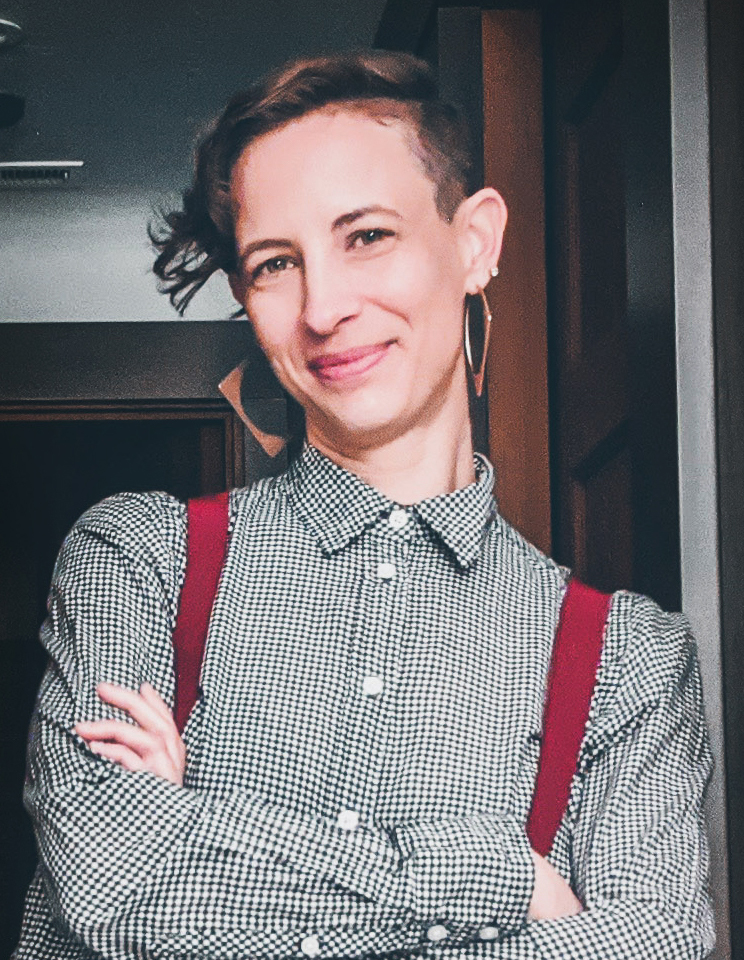
Sam Arrow, PT, DPT
Sam Arrow, PT, DPT
Sam Arrow – Endometriosis Physical Therapist
Summary: Sam Arrow is a compassionate endometriosis physical therapist based in Phoenix, Arizona, at Arrow Physical Therapy. Sam Arrow’s approach focuses on educating patients about their bodies and empowering them with tools to manage pelvic floor dysfunction confidently, recognizing the chronic nature of endometriosis.
Using a combination of internal and external manual therapies such as visceral mobilization, scar tissue massage, and myofascial release, Sam Arrow tailors treatment to each individual’s needs. Gentle therapeutic activities like diaphragmatic breathing, yoga stretches, and pelvic floor muscle coordination exercises are also integral to care. Sam addresses related concerns, including constipation, fluid intake, and pelvic organ prolapse, collaborating with trusted local doctors to ensure comprehensive treatment. Patients value Sam Arrow’s trauma-informed, supportive environment where their unique history and symptoms guide personalized care for lasting relief and improved quality of life.
Visit types: Office/Hospital/At home
Spoken languages: English
Interpreting services for other languages: No
Philosophy of care and typical treatment strategies: First and foremost, my goal is to educate patients on how their body functions and how they can self-treat their pelvic floor dysfunction. I will always be available to them, but since endo is a chronic condition, they may need to step away from therapy for periods of time, and I want them to have the tools they need to do it confidently. I incorporate internal and external manual therapy to address muscle tension (visceral mobilization, scar tissue massage, and myofascial release); gentle therapeutic activities such as diaphragmatic breathing, perineal bulging, and yoga-type stretches; dietary changes; tool-assisted pelvic floor muscle stretching (dilators, wand); constipation management; and relaxation exercises that help the patient reconnect with their pelvic floor and build awareness and pelvic floor muscle coordination. Every person is different and will have different needs, so I get the patient’s history and behavior of symptoms, and address what we find in our visits. I may also address fluid intake, toileting, incontinence, and pelvic organ prolapse as needed. I often assist in coordinating care by recommending doctors whom I trust in Phoenix and helping patients learn to self-advocate. I strive to create an environment that is safe and affirming for my patients; I am trauma-informed.
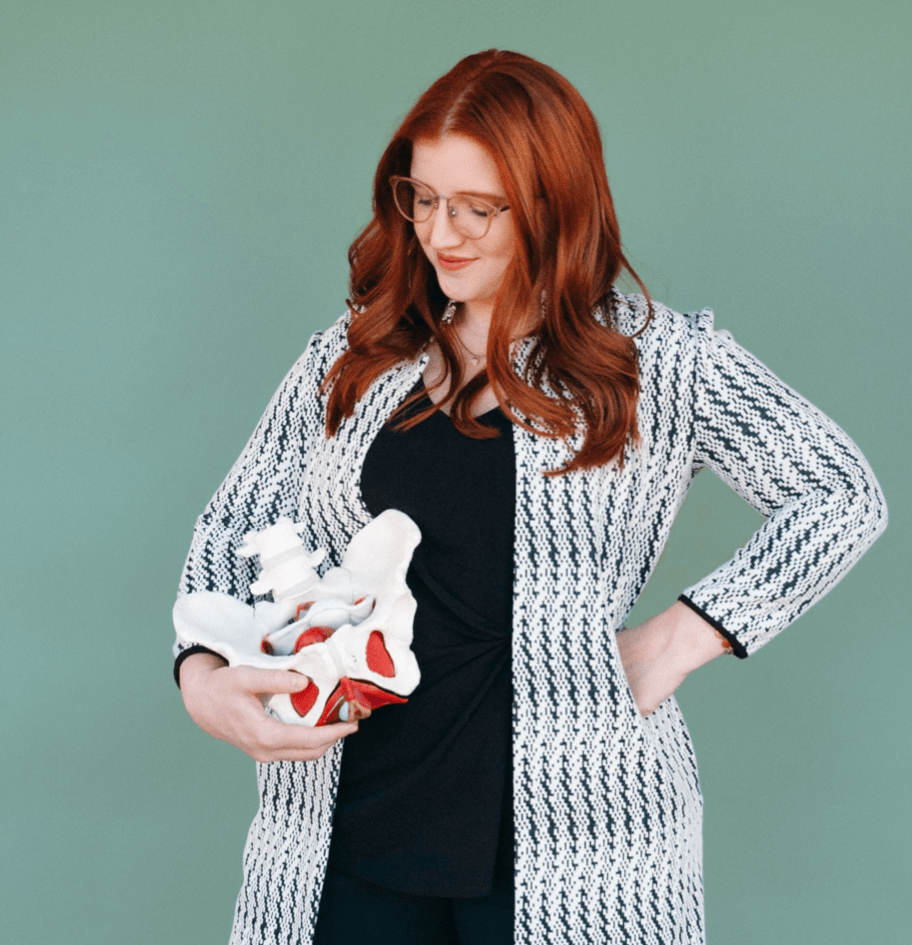
Rebecca Patton, PT, DPT
Rebecca Patton, PT, DPT
Rebecca Patton – Endometriosis Physical Therapist
Summary: Rebecca Patton is a dedicated pelvic health physical therapist based in Arizona, committed to providing compassionate, patient-centered care. Rebecca Patton specializes in supporting patients with endometriosis by focusing on pain management before and after surgery. Her approach includes calming techniques to downregulate the nervous system, such as visceral and nerve mobilization, breathing exercises, and dry needling when appropriate. Understanding that every patient’s journey is unique, Rebecca Patton tailors treatment plans to individual goals—whether that involves pelvic floor retraining, managing bowel and bladder symptoms, or returning to joyful activities. She advocates for inclusive, gender-affirming care, ensuring a welcoming environment for the LGBTQ+ community. Rebecca Patton prioritizes clear communication with interdisciplinary teams to help patients navigate complex care pathways with confidence and ease. Her practice reflects empathy, expertise, and a deep commitment to empowering each person on their healing journey.
Visit types: Office/Hospital
Spoken languages: English
Interpreting services for other languages: Yes
Philosophy of care and typical treatment strategies: If I suspect endo based on their symptoms, my main priority is getting them to an endo specialist for a formal diagnosis and surgery. That can take a few months for them to get paperwork together and finally see the specialist. During that time during physical therapy, we focus on pain management.
This is typically in a calm environment (dim lighting and meditation tones are helpful to relax the nervous system). I provide an environment that helps downtrain the CNS with visceral and nerve mobilization, passive mobility, and breathing techniques.
After surgery, it depends on the person and their individual goals. Some want to continue visceral mobility. Some want to focus on pelvic floor retraining and possibly integrating dilators. Some are trying to manage bowel and bladder symptoms.
Others are trying to get back to exercise or recreational activities. I use dry needling if appropriate and if I feel someone’s nervous system will respond well. Improving management of bowel and bladder hygiene can be accomplished through pelvic floor retraining, breath work, CNS down training, visceral and fascism mobility and getting back to joyful activities.
Interdisciplinary care and communication are important and can involve the surgeon/specialist, GYN, PCP, nutritionist, acupuncturist, GI/colorectal doc, or urogynecologist, just to name a few. I try to help my patients navigate this complex system so they can prioritize their care and not feel as overwhelmed. The most important thing I have learned is that although endo can have a lot of similar symptoms, every patient is individual in their goals, factors that exacerbate their symptoms, activity tolerance, and overall lifestyle. I try to meet them where they are at for treatment, and goals may change over time.
More information: My main priority is providing a welcoming space for the LGBTQ+ community. I am an advocate for gender-inclusive language, inclusive and affirming intake paperwork, and not assuming heteronormative or cisnormative lifestyles when asking my patients about sexual health and gender identity.
I always have my pronoun pin on. I want to normalize transgender individuals seeking care for pelvic physical therapy.