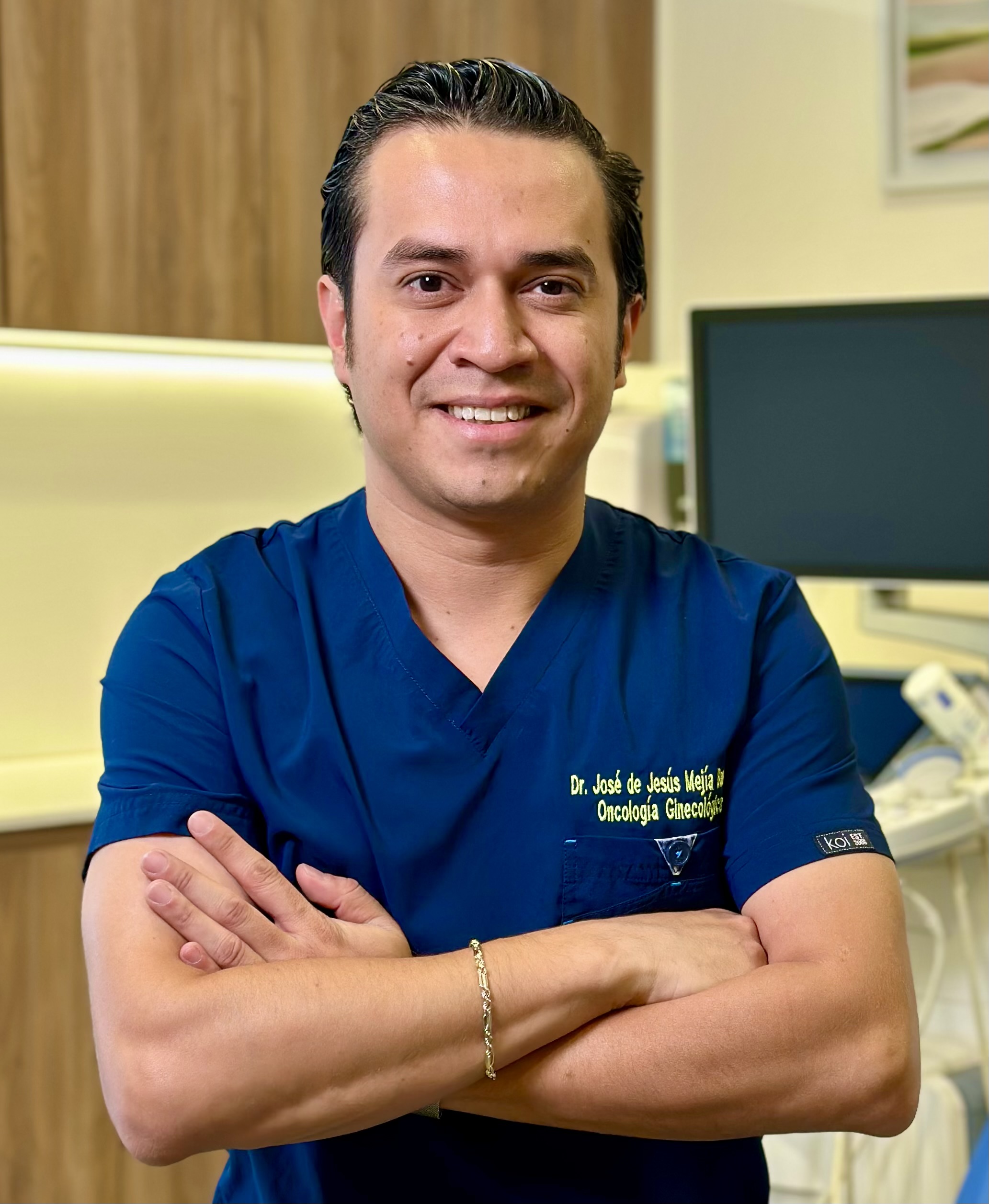
Dr. Jose de Jesus Mejia Bautista
Dr. Jose de Jesus Mejia Bautista
Gynecology & Minimal Invasive Surgery, Endometriosis Specialist
Summary:
Dr. Jose de Jesus Mejia Bautista is a gynecologist and endometriosis specialist based in Aguascalientes, Mexico. He practices at Endometriosis Aguascalientes and San Peregrino Cancer Center in Aguascalientes, Mexico. He specializes in the diagnosis and treatment of endometriosis using advanced excision surgery and individualized, evidence-based care.
Dr. Mejia Bautista views endometriosis as a complex, chronic inflammatory disease that requires a multidisciplinary approach tailored to each patient’s symptoms, fertility goals, and quality of life. His treatment plans may combine excision surgery with hormonal therapy, pelvic floor physical therapy, pain management, nutritional counseling, and psychological support. For patients with persistent pain after surgery, he performs a comprehensive evaluation to identify all possible causes before considering additional surgery.
Dr. Mejia Bautista completed his Doctor of Medicine degree at the Universidad Autónoma de Guadalajara and his residency in Obstetrics and Gynecology at Centro Médico Nacional del Noroeste, IMSS / Universidad Autónoma de Sinaloa. He subsequently completed a Fellowship in Gynecologic Oncology at Centro Médico Nacional de Occidente, IMSS / Universidad de Guadalajara and has pursued extensive advanced training in endometriosis excision surgery, Neuropelveology, pelvic anatomy, and minimally invasive gynecologic surgery. His additional credentials include Mexican Board Certification in Gynecologic Oncology, IOTA Certification in International Ovarian Tumor Analysis, ISSA School Advanced Endometriosis Surgery training, ESGO Advanced Surgical Training, and IRCAD Advanced Laparoscopic Gynecologic Oncology training.
City: Aguascalientes, Mexico
Philosophy of Endometriosis Care: I view endometriosis as a complex, multifactorial, chronic inflammatory disease rather than a condition explained by a single theory. My clinical approach is informed by the integration of several complementary mechanisms, including Sampson’s theory of retrograde menstruation, coelomic metaplasia, Müllerian remnants, stem cell involvement, genetic and epigenetic susceptibility, immune dysfunction, and neuroangiogenesis. Because of this multifactorial pathogenesis, I believe treatment should be individualized and multidisciplinary. Surgery addresses the anatomical disease, while long-term management may also include hormonal therapy, pelvic floor physical therapy, pain management, nutritional support, and psychological care according to each patient’s goals, symptoms, and fertility plans.
What type of surgery do you perform for endometriosis: Excision
Medication: Medical therapy is an important component of individualized endometriosis care, but it should not be considered a substitute for appropriate surgical management when surgery is indicated. I prescribe hormonal therapies primarily to suppress disease activity, control symptoms, reduce recurrence risk, and preserve quality of life. Depending on the patient’s age, symptoms, reproductive goals, and disease severity, I may recommend progestins (particularly dienogest), combined hormonal contraceptives, levonorgestrel-releasing intrauterine systems, or GnRH agonists in a few selected cases. Nonsteroidal anti-inflammatory drugs are used for symptom control when appropriate. Medical treatment is integrated with pelvic floor physical therapy, nutritional counseling, pain management, and psychological support when indicated. Treatment decisions are individualized and made through shared decision making with each patient.
Approach to Persistent Pain After Surgery: Persistent symptoms after surgery require a comprehensive reassessment rather than the assumption of recurrent disease. I recognize that persistent pelvic pain may result from residual or recurrent endometriosis, adenomyosis, pelvic floor dysfunction, neuropathic pain, central sensitization, bladder pain syndrome, irritable bowel syndrome, or other pain generators. My approach includes a detailed clinical reassessment, expert imaging when indicated, and multidisciplinary evaluation. Treatment is individualized and may include pelvic floor physical therapy, hormonal therapy, pain medicine, nutritional support, psychological care, and selective reoperation only when there is objective evidence that surgery is likely to provide meaningful benefit. My goal is to improve function, quality of life, and long-term symptom control while avoiding unnecessary repeat surgery.

Dr. Edgar Omar Ruiz Treviño
Dr. Edgar Omar Ruiz Treviño
Dr Edgar Ruiz Treviño – Endometriosis Specialist
Summary: Dr Edgar Ruiz Treviño is an experienced endometriosis specialist based in León de los Aldama, Guanajuato, Mexico. Known for his compassionate and comprehensive approach, Dr Edgar Ruiz Treviño views endometriosis as a systemic, inflammatory, and progressive disease that requires both surgical precision and multidisciplinary care. He specializes in excision surgery, offering patients relief through expert intervention and personalized treatment plans.
In addition to surgery, Dr Edgar Ruiz Treviño incorporates medical therapies such as anti-inflammatories and progestins and collaborates with nutritionists and mental health professionals to support whole-person healing. For patients experiencing persistent pain after surgery, he emphasizes ongoing care through rehabilitation services and coordination with pain clinics. Patients value his dedication, deep understanding of endometriosis, and commitment to improving their quality of life through every stage of treatment.
City: León de los Aldama, Guanajuato, Mexico
Philosophy of Endometriosis Care: It is a systemic, inflammatory, benign, progressive disease that requires a comprehensive and multidisciplinary approach.
What type of surgery do you perform for endometriosis: Excision
Medication: Anti-inflammatories, progestins, and assessment by a nutritional and psychological team.
Approach to Persistent Pain After Surgery: Management with anti-inflammatories, progestins, rehabilitation assessment, and pain clinic
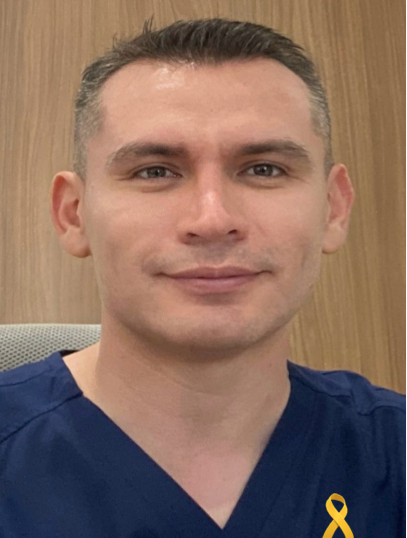
Dr. Fernando Garcia Vargas
Dr. Fernando Garcia Vargas
Dr Fernando Garcia Mexico – Endometriosis Specialist
Summary: Dr Fernando Garcia Mexico is a highly experienced endometriosis specialist based in Puebla, Mexico. With a deep commitment to personalized care, Dr Fernando Garcia approaches endometriosis as a multifaceted disease influenced by factors such as retrograde menstruation, coelomic metaplasia, and immune dysfunction. His practice focuses on accurate diagnosis and individualized treatment plans, often involving expert excision surgery and multidisciplinary collaboration for complex cases, including those affecting the bladder, rectum, or ureters.
Patients seeking compassionate and advanced care choose Dr Fernando Garcia Mexico for his integrative approach. He frequently partners with specialists in urology and coloproctology to ensure comprehensive outcomes, especially in deep infiltrative endometriosis. After surgery, he recommends synthetic progestins to reduce recurrence and refers patients with persistent pain to a neuropelveologist for thorough evaluation. Dr Fernando Garcia’s holistic, evidence-based care provides women with lasting relief and restored quality of life.
City: Puebla, Puebla, Mexico
Philosophy of Endometriosis Care: I believe that the theory of celomic metaplasia, as well as retrograde menstruation and altered immunity, can contribute to the development of the disease and its progression through different pathways. Therefore, it is essential to take a multidisciplinary assessment approach, individualizing each case to offer excision surgery when necessary, as cases of deep infiltrative endometriosis can occur, which may involve the rectum, ureters, bladder, etc. In such cases, joint management with coloproctology and urology is required to perform a successful surgery.
What type of surgery do you perform for endometriosis: Excision
Medication: Synthetic progestins such as desogestrel, implant, injections, or levonorgestrel-releasing intrauterine systems, which may help reduce the recurrence of the disease after excision surgery, and the time you use it depends on the option you decide
Approach to Persistent Pain After Surgery: I always recommend a complementary treatment such as synthetic progestins after excision surgery, and in case of symptom persistence, I refer my patients for evaluation by a neuropelvicologist.
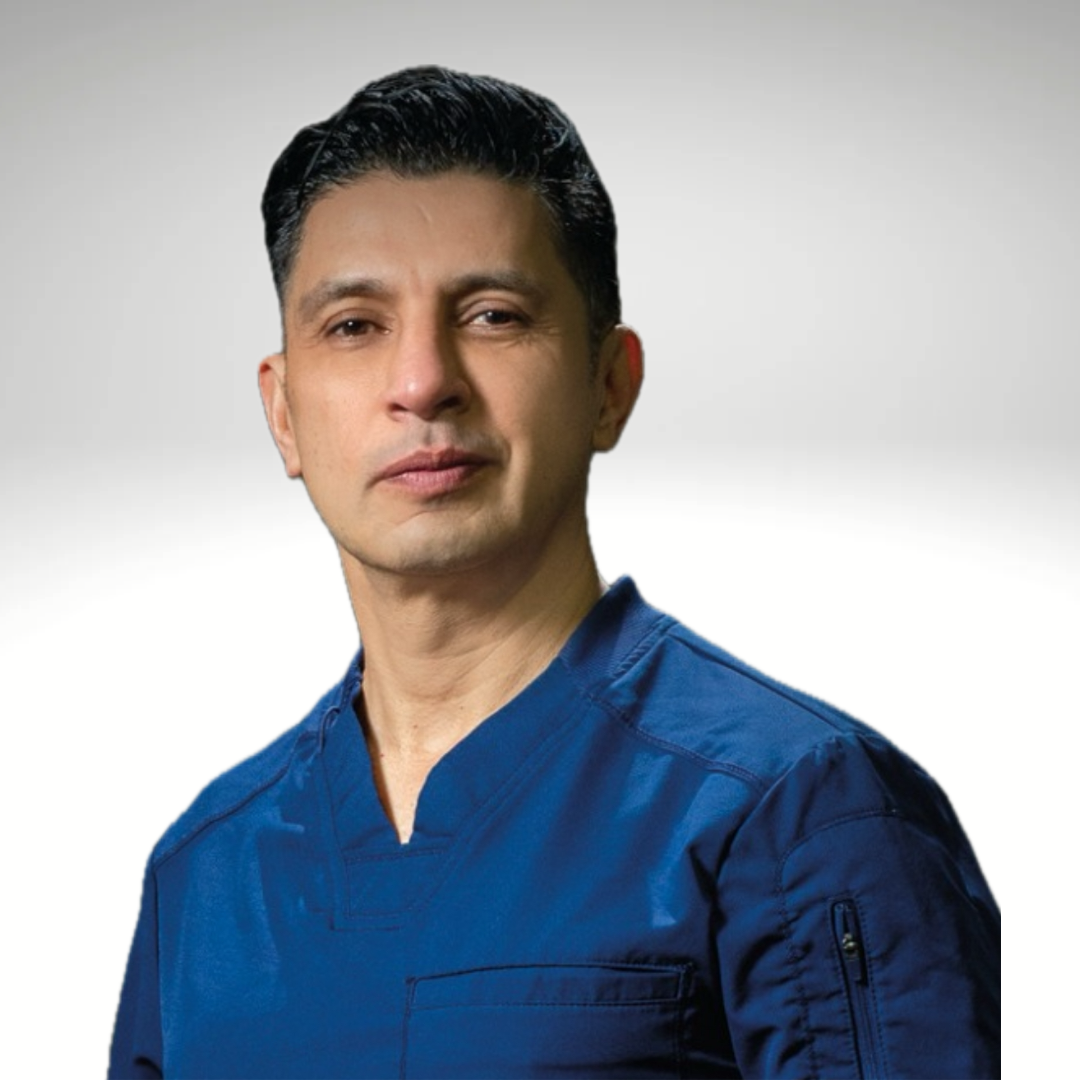
Dr. Victor J. Carrasco Urrutia
Dr. Victor J. Carrasco Urrutia
Dr Victor Carrasco Urrutia – Endometriosis Specialist
Summary: Dr Victor Carrasco Urrutia, a leading endometriosis specialist in Juárez, Mexico, offers a unique, science-driven approach to treating this complex disease. With deep expertise in molecular biology, Dr Carrasco Urrutia views endometriosis as a condition rooted in genetic and epigenetic changes, including microRNA dysregulation and iron-induced cellular stress. He specializes in excision surgery and believes in a personalized treatment plan that may include hormonal therapy, antioxidants, pain management, and physical rehabilitation.
Patients appreciate Dr Victor Carrasco Urrutia’s dedication to uncovering the true biological causes of endometriosis and his commitment to long-term, multidisciplinary care. His thoughtful approach to persistent pain after surgery emphasizes accurate reassessment and collaborative treatment, not just repeat operations. If you’re looking for advanced, compassionate care based on cutting-edge research, Dr Carrasco Urrutia offers hope for lasting relief and improved quality of life.
City: Juárez, Chihuahua, Mexico
Philosophy of Endometriosis Care: A Molecular Disease Driven by microRNA Dysregulation, Sublethal Ferroptosis, and Iron-Induced Cellular Reprogramming. (Epigenetic and Genetic).
- Introduction: Rethinking the Origins of Endometriosis– Endometriosis has traditionally been explained by the theory of retrograde menstruation and ectopic implantation of endometrial tissue. However, this paradigm fails to account for the heterogeneity of lesion types, their variable behavior, resistance to hormone therapy, and their presence in distant organs, including in individuals without a uterus. Emerging molecular insights support a paradigm shift: endometriosis is not simply a disorder of misplaced cells but rather a disease of epigenetic reprogramming, sustained by microRNA (miRNA) dysregulation, oxidative damage, and sublethal ferroptosis, all of which collectively transform the phenotype of endometrial cells into persistent, invasive, and inflammatory clones.
- The Molecular Drivers of Endometriosis – At the core of this transformation is a sustained dysregulation of microRNAs, small non-coding RNAs that regulate gene expression post-transcriptionally. These molecules act as master regulators of apoptosis, inflammation, angiogenesis, immune evasion, and cellular differentiation. In endometriosis, an aberrant expression profile of miRNAs alters the fate of eutopic endometrial cells, making them resistant to apoptosis, responsive to local estrogen production, and capable of invading ectopic environments. This altered transcriptomic and epigenetic landscape allows cells to survive retrograde migration and promotes colonization in ectopic locations. However, survival alone does not explain lesion persistence or progression. A critical second hit occurs through exposure to iron-rich microenvironments, particularly in hemorrhagic lesions and repeated retrograde bleeding, which leads to ferroptosis sublethal stress: a state of iron-driven oxidative damage that damages but does not destroy cells, selecting for those with adaptive survival advantages. This interplay between miRNA-driven transformation and environmental oxidative stress is central to the pathogenesis of all lesion types, yet manifests differently depending on the anatomic and physiological context.
- Subtype-Specific Pathogenesis – A. Superficial Peritoneal Endometriosis Superficial lesions are typically small (1–5 mm), found on peritoneal surfaces, and historically considered the “earliest” or “mildest” form of the disease. However, from a molecular standpoint, they represent localized populations of reprogrammed endometrial-like cells that have adhered to the mesothelial surface but not yet established a fibrotic niche or deep invasion. • miRNA profile: These lesions show altered miRNA expression consistent with early evasion of apoptosis and enhanced angiogenesis. • Immune environment: Poor immunosurveillance allows their persistence. • Iron exposure: Low to moderate, driven by cyclic retrograde bleeding. Sublethal ferroptosis here may act as a selective pressure for early clonal expansion. These lesions may remain quiescent or evolve depending on iron burden, oxidative stress, and hormonal responsiveness. B. Ovarian Endometriosis (Endometriomas) Ovarian endometriosis is characterized by the formation of chocolate cysts, or endometriomas, which are hemorrhagic cystic structures resulting from repeated bleeding of ectopic endometrial tissue within the ovary. • Iron microenvironment: Endometriomas are iron-saturated niches due to blood accumulation and hemolysis. This creates a sustained ferroptotic microenvironment with massive lipid peroxidation and reactive oxygen species. • Cellular fate: Sublethal ferroptosis in ovarian lesions promotes selection of molecularly damaged but viable cells with enhanced estrogen biosynthesis, progesterone resistance, and immunoevasive behavior. • Epigenetic profile: Extensive methylation changes and miRNA deregulation in endometriomas render these lesions bioactive, hormone-autonomous, and often refractory to standard hormonal suppression. Thus, endometriomas are not passive collections of blood but dynamic bioactive lesions that perpetuate molecular damage and foster disease progression. C. Deep Infiltrating Endometriosis (DIE) Deep lesions extend more than 5 mm below the peritoneal surface and often involve the bowel, bladder, ureters, and pelvic nerves. These are associated with severe pain and significant morbidity. • Molecular profile: These lesions exhibit the highest degree of cellular reprogramming, with profound miRNA dysregulation, immune suppression, neuroangiogenesis, and resistance to apoptosis. • Stromal remodeling: Chronic trauma, bleeding, and local inflammation stimulate fibrosis, nerve infiltration, and neuroinflammation, explaining the severe pain profile. • Oxidative stress: Iron deposition and recurrent hemorrhage promote sustained oxidative stress, contributing to irreversible structural and functional alterations. • Heterogeneity: Each DIE lesion can be genetically and epigenetically distinct, with varying hormonal sensitivity and miRNA signatures. Deep endometriosis may arise from superficial or ovarian lesions subjected to prolonged inflammatory and oxidative stress, leading to a fibrotic, invasive, and neurotrophic phenotype.
- Endometriosis Beyond the Pelvis- Extrauterine Manifestations Endometriosis has been documented in distant sites, including the lungs, diaphragm, kidneys, liver, brain, and even in men. These rare presentations challenge the traditional implantation theory and are better explained through molecular migration hypotheses: • Stem/progenitor cell migration: Endometrial progenitor cells with reprogrammed miRNA profiles may disseminate via lymphovascular routes. • Systemic epigenetic predisposition: The same molecular drivers active in pelvic lesions may operate in ectopic stem niches, particularly under chronic inflammation or hormonal influence. • Iron-independent transformation: In distant sites, local factors (e.g., tissue injury, hormonal crosstalk) may mimic the oxidative and immune environments found in pelvic lesions, allowing ectopic lesions to form without retrograde menstruation. The finding of clonal, progesterone-resistant, estrogen-producing lesions in distant organs supports the notion of systemic disease with localized molecular expressions, not simple mechanical spread.
- Clinical and Research Implications – This molecular redefinition of endometriosis holds several implications: • Diagnosis: Circulating miRNA panels and iron-sensitive imaging may aid in earlier, non-invasive detection. • Treatment: Approaches should target not only estrogen suppression but also iron metabolism, oxidative stress, and epigenetic reprogramming (e.g., miRNA modulation, ferroptosis regulation). • Phenotype-tailored therapy: Understanding the dominant molecular drivers of each lesion type (e.g., ferroptosis in endometriomas, neuroinflammation in DIE) can guide personalized treatment. Endometriosis is a molecularly dynamic disease that begins with epigenetic and post-transcriptional reprogramming of endometrial cells via microRNA dysregulation. Survival and proliferation of these altered cells are supported by iron-induced sublethal ferroptosis, which perpetuates oxidative stress and drives progressive transformation. Each subtype of endometriosis—superficial, ovarian, and deep—inherits this molecular foundation but diverges based on location-specific environmental conditions. Endometriosis should thus be considered a systemic, clonal, and inflammatory disease, rooted in molecular errors and sustained by a hostile microenvironment that the lesions themselves help to create. This framework provides a unified, mechanistically grounded explanation for the diversity, chronicity, and therapeutic resistance observed in clinical practice. VJCU
What type of surgery do you perform for endometriosis: Excision
Medication: OCPs, Progestins (dianogest)(including LNG-IUD) – Used for suppression of hormonally responsive lesions, especially after excision. Less effective in progesterone-resistant or estrogen-autonomous lesions like endometriomas. Antioxidants (e.g., N-acetylcysteine)– Reduce ROS and lipid peroxidation; support ferroptosis modulation and lesion stabilization. Gabapentin, Pregabalin (Lyrica) – Used for central pain desensitization in deep endometriosis and neuroinflammation. Especially useful pre- and post-surgery in patients with chronic pelvic pain or neuropathic pain. Anti-inflammatory & immunomodulators – Target low-grade chronic inflammation and immune dysregulation associated with lesion survival.
Approach to Persistent Pain After Surgery:
Persistent symptoms after surgery do not always indicate surgical failure or disease recurrence. Instead, they often reflect the complex nature of endometriosis, including residual lesions, nerve involvement, fibrosis, or central sensitization.
- Postoperative Evaluation • Perform a full clinical reassessment (pain type, localization, quality of life). • Imaging (TVUS or MRI) only if recurrence is suspected. • Evaluate for neuropathic pain or central sensitization.
- Common Causes • Residual or missed deep lesions. • Fibrotic entrapment of pelvic nerves. • Central sensitization and amplified pain response. • Myofascial pain or visceral dysfunction. • Adhesions or abnormal scarring.
- Multidisciplinary Management • Neuropathic pain: gabapentin, pregabalin, duloxetine, pelvic floor physiotherapy. • Functional symptoms: gut-directed therapy, microbiota modulation, visceral rehab. • Psychological support: CBT, mindfulness, trauma-focused therapy.
- Hormonal Suppression • Maintenance therapy with continuous OCPs, progestins, or LNG-IUD. • Antioxidants (e.g., NAC) to reduce oxidative stress.
- Reoperation: Reserved for patients with confirmed residual deep lesions, obstructive disease, or failed conservative management. The persistence of symptoms after surgery does not always indicate surgical failure, but rather reflects the multifactorial and neuroinflammatory nature of endometriosis. Management should be: • Individualized and multidisciplinary. • Based on the type of pain (somatic, visceral, or neuropathic). • Supported by continuous follow-up, functional imaging, and comprehensive care.
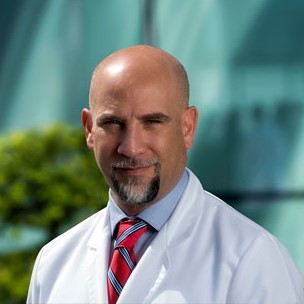
Dr. Carlos Linder Efter
Dr. Carlos Linder Efter
Dr Carlos Linder Efter – Endometriosis Specialist
Sumary: Dr Carlos Linder Efter is a dedicated endometriosis specialist based in Mexico City, Mexico. Guided by the celomic metaplasia theory, Dr Carlos Linder Efter offers a thoughtful and personalized approach to endometriosis care. He specializes in excision surgery, focusing on the precise removal of endometriosis lesions to improve patient outcomes.
Doctor Carlos Linder Efter incorporates medication such as progestins, including the Mirena IUD, to evaluate and manage symptoms effectively. In select cases, he may also recommend GnRH analogs tailored to individual needs. For patients experiencing persistent pain after surgery, Dr Carlos Linder Efter emphasizes a holistic approach that includes physical therapy and nutritional adjustments. Patients appreciate his compassionate care and commitment to long-term well-being, making Dr Carlos Linder Efter a trusted expert in managing endometriosis in Mexico City.
City: Mexico City, Mexico
Philosophy of Endometriosis Care: Celomic metaplasia
What type of surgery do you perform for endometriosis: Excision
Medication: I include progestins (Mirena) in my practice to assess the response to medication. In some special cases, I like to include GnRH analogs.
Approach to Persistent Pain After Surgery: Physical therapy and nutritional changes
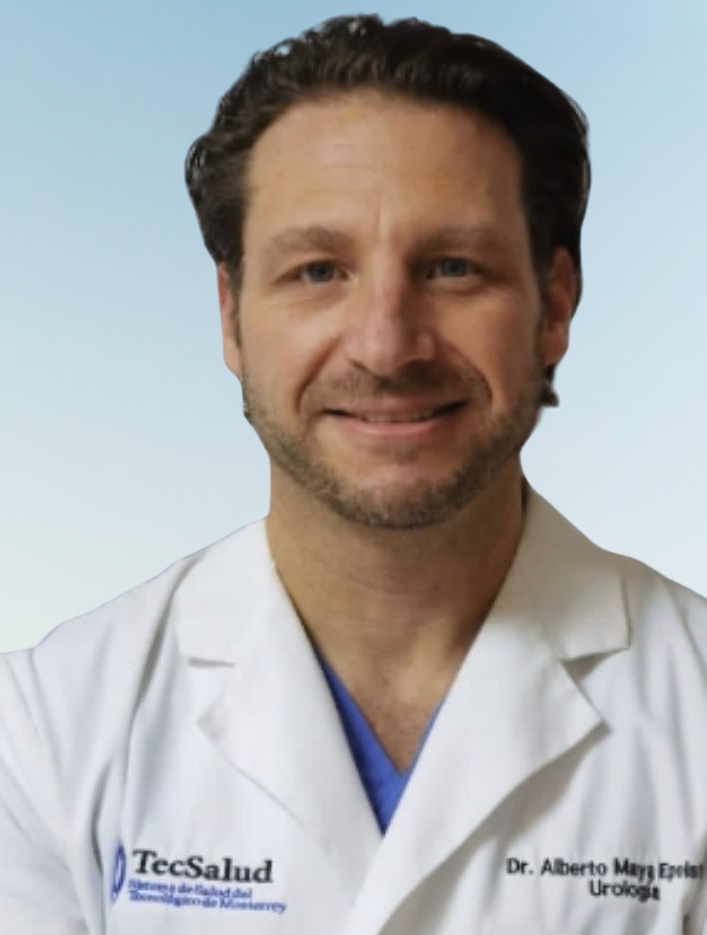
Dr. Alberto Maya Epelstein
Dr. Alberto Maya Epelstein, Endometriosis Specialist
City: San Nicolás de los Garza, Mexico
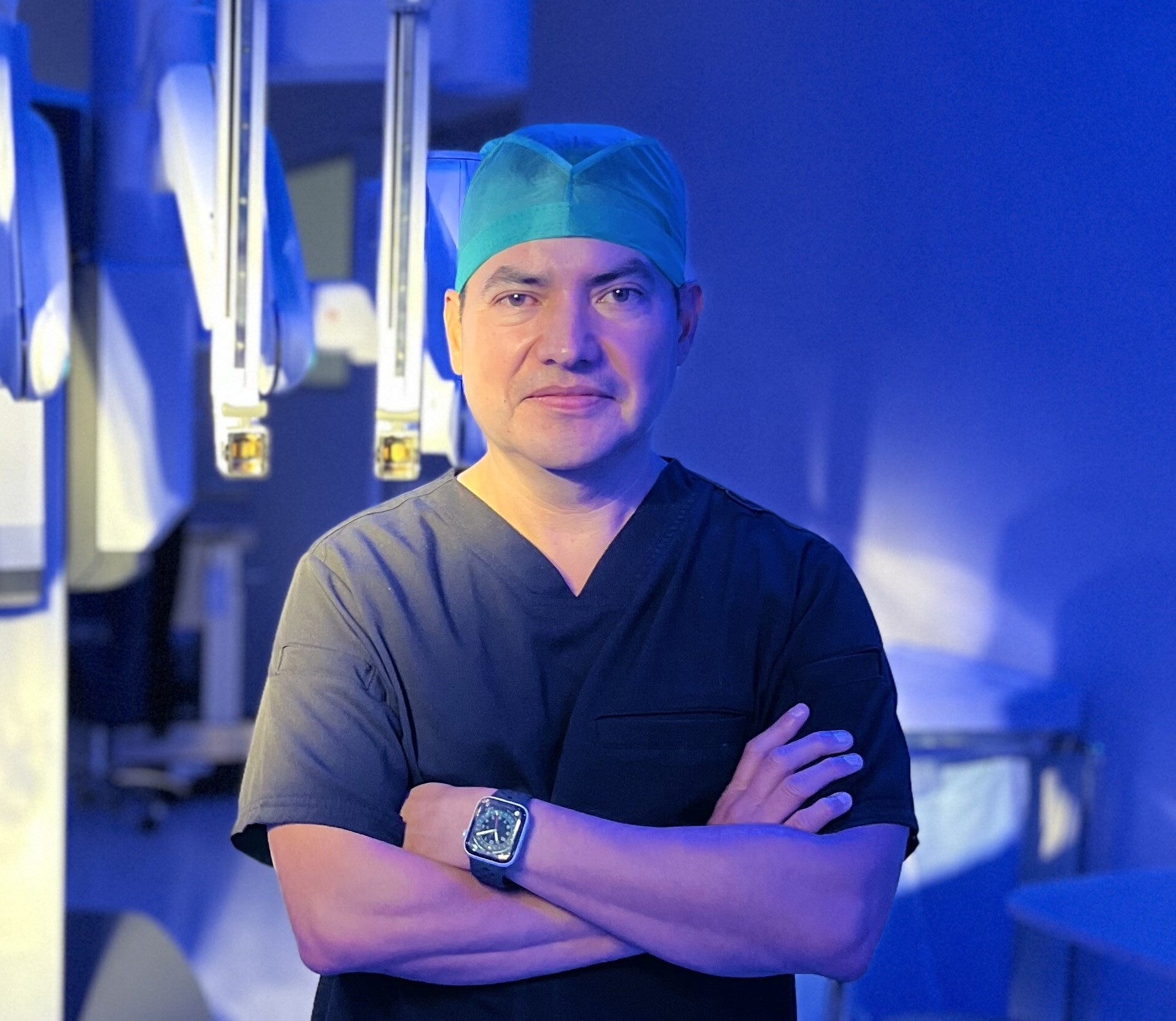
Dr. Marco Guzman
Dr. Marco Guzman
Dr Marco Guzman – Endometriosis Specialist
Summary: Dr Marco Guzman is a dedicated endometriosis specialist based at Hospital Angeles Juarez in Juarez, Chihuahua, Mexico. With a strong foundation in embryology, Dr Marco Guzman focuses on precise excision surgery to effectively treat endometriosis and improve patient outcomes. At Hospital Angeles Juarez, he combines surgical expertise with hormonal and anti-inflammatory therapies during the early stages of treatment and post-surgery care. Dr Guzman emphasizes a personalized approach, using progestins for managing persistent pain after surgery, ensuring patients receive comprehensive care tailored to their needs. His commitment to a holistic and patient-centered approach makes Dr. Marco Guzman a trusted choice for those seeking specialized endometriosis treatment in Juarez. Patients can expect compassionate support and advanced medical care at Hospital Angeles Juarez under his expert guidance.
City: Juarez, Chihuahua, Mexico
Philosophy of Endometriosis Care: Embryology
What type of surgery do you perform for endometriosis: Excision
Medication: Hormonal, anti-inflammatory therapy, in early stages, and after surgery
Approach to Persistent Pain After Surgery: Hormonal therapy (Progestines )
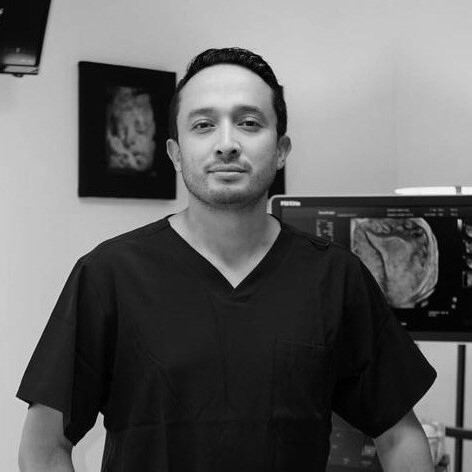
Dr. Gabriel Corona
Dr. Gabriel Corona
Dr Gabriel Corona – Endometriosis Specialist
Summary: Dr Gabriel Corona is a leading endometriosis specialist based in León, Guanajuato, Mexico. Known for his thoughtful and science-based approach, Dr Gabriel Corona views endometriosis as a multifactorial condition, drawing from theories like coelomic metaplasia, Mullerianosis, and embryonic remnants to guide care. He specializes in excision surgery, offering a precise and effective method for managing endometriosis.
Doctor Gabriel Corona supports his surgical care with personalized medical and nutritional treatment plans, often including Dienogest, a levonorgestrel IUD, and supplements such as Omega-3, magnesium, and vitamins E, D, and folic acid. For patients dealing with persistent pain after surgery, he often recommends pelvic floor physiotherapy alongside medications like amitriptyline or gabapentin. Dr Gabriel Corona is deeply committed to long-term patient well-being and takes a holistic, compassionate approach to care that empowers patients through every stage of recovery.
City: León, Guanajuato, Mexico
Philosophy of Endometriosis Care: Multifactorial, Chelomic Metaplasia, Mullerianosis, Embrionary remanins
What type of surgery do you perform for endometriosis: Excision
Medication: Dinogest, Levonogestrel IUD, Omega 3, Magnesium, Vitamin. E and D, Vitamins/Folic Acid
Approach to Persistent Pain After Surgery: Pelvic Floor Physiotherapy, Amitriptyline, Gabapentin
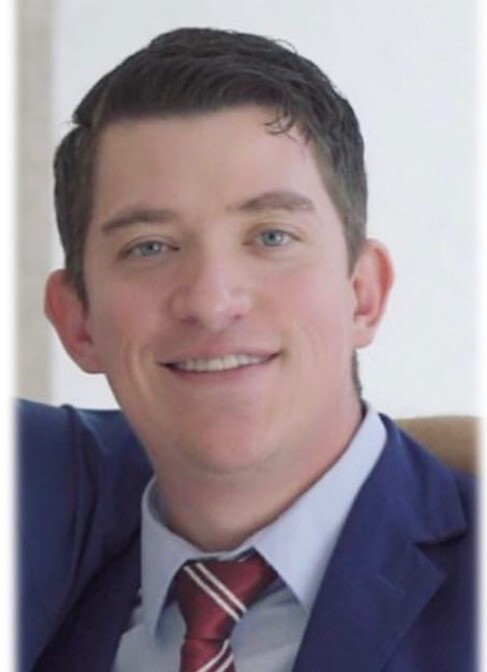
Dr. Carlos Eduardo Alcivia Smith
Dr. Carlos Eduardo Alcivia Smith
Dr Carlos Alcivia – Endometriosis Specialist
Summary: Dr Carlos Alcivia, is a dedicated endometriosis specialist based in Querétaro, Mexico. With a deep understanding of the embryological and metaplastic origins of endometriosis, he prioritizes thorough excision surgery to address the root of the disease. His patient-centered approach combines evidence-based medical treatments, such as Dinogest, Levonorgestrel IUDs, and targeted supplements—with holistic strategies for long-term relief. Dr Carlos Eduardo Alcivia Smith also addresses persistent pain post-surgery through a tailored plan that includes physiotherapy, anti-inflammatory nutrition, and high-dose omega-3, magnesium, and vitamins D and E. He collaborates with pain and mental health specialists to ensure patients receive comprehensive care. Known for his compassionate and informed care, Dr Carlos Alcivia empowers each patient on their path to better health and quality of life.
City: Querétaro, Mexico
Philosophy of Endometriosis Care: Embryological and Metaplasia.
What type of surgery do you perform for endometriosis: Excision
Medication: Dinogest, Levonogestrel IUD, Omega 3, Magnesium, Vit. E and D, Vitamins/Folic Acid
Approach to Persistent Pain After Surgery: 6 Months of Dinogest, Physiotherapy, Nutritional Interventions with an Anti-Inflammatory Diet, and Management with Megadoses of Omega-3 Acids, Magnesium, Vitamin D, and Vitamin E. As well as inter-consultations with an Algology specialist and a psychiatrist.
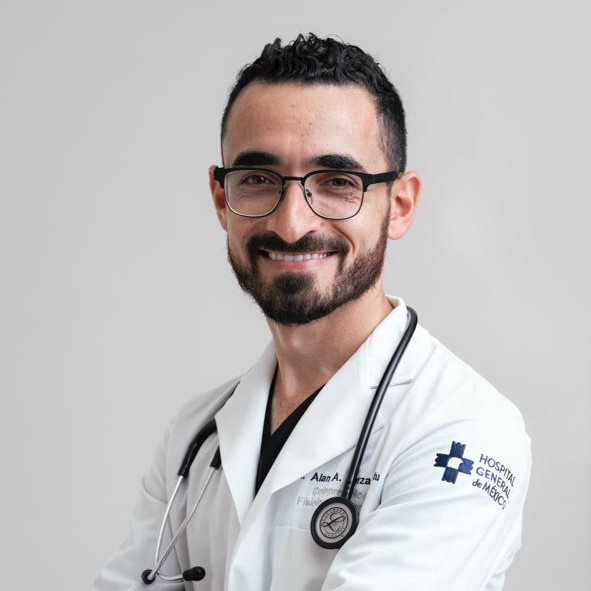
Dr. Alan Alejandro Garza Cantú
Dr. Alan Alejandro Garza Cantú, Endometriosis Specialist
City: Monterrey, Mexico
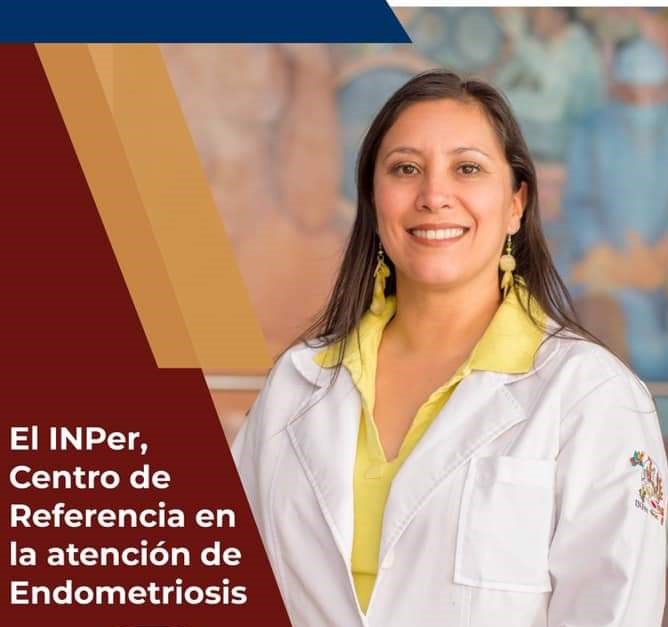
Jennifer Mier-Cabrera
Jennifer Mier-Cabrera, Dietitian
City: Mexico City, Mexico

Dr. Sergio Villalobos Acosta
Dr. Sergio Villalobos Acosta, Endometriosis Specialist
City: Mexico City, Mexico